
TOPIC
Unlocking the Power of todesk_4.7.2.1_setup.7z: Your Ultimate Guide to Installation


Are you ready to elevate your remote access experience? If you’ve been searching for a reliable solution, look no further than todesk_4.7.2.1_setup.7z! This powerful tool offers seamless connectivity that can transform the way you work from anywhere in the world. Whether you’re a freelancer collaborating with clients remotely or managing a team across different locations, this software is designed to make your life easier and more efficient.
Packed with features and user-friendly functionality, todesk_4.7.2.1_setup.7z allows you to connect effortlessly while ensuring security and speed are top priorities. But how do you get started? That’s where this ultimate guide comes into play! We’ll walk you through everything from installation requirements to troubleshooting tips so that you’ll be set up in no time.
Get ready to unlock the full potential of remote desktop management as we dive deep into all things related to todesk_4.7.2.1_setup.7z!
Understanding todesk_4.7.2.1_setup.7z
todesk_4.7.2.1_setup.7z is more than just a file; it’s your gateway to efficient remote access solutions. This compressed package contains essential installation files that enable users to connect and control devices from virtually anywhere.
The software supports multiple platforms, making it versatile for different operating systems. Its intuitive interface ensures that both beginners and advanced users can navigate easily.
One of the standout features of this version is its enhanced performance speed, allowing smoother connections without lag or interruptions. Security protocols are also integrated, ensuring data integrity during your sessions.
Understanding what’s inside the setup file gives you an edge in maximizing its potential and exploring all available functionalities effectively as soon as you install it!
Benefits of using todesk_4.7.2.1_setup.7z
Todesk_4.7.2.1_setup.7z offers a range of advantages that can transform your remote working experience.
One significant benefit is its user-friendly interface, which simplifies navigation for both beginners and seasoned users alike. This ease of use reduces the learning curve associated with many complex software solutions.
Security is another standout feature. With advanced encryption protocols, todesk ensures that your data remains protected during remote sessions, giving you peace of mind when accessing sensitive information.
Additionally, the flexibility offered by this software enables seamless connectivity across various devices and operating systems. Whether you’re on a desktop or mobile device, you can stay connected effortlessly.
Performance-wise, todesk delivers smooth operation even under challenging network conditions. This resilience makes it an excellent choice for professionals who often work in fluctuating environments.
These benefits combined make todesk_4.7.2.1_setup.7z an indispensable tool for anyone looking to enhance their remote collaboration efforts.
System Requirements for Installation
Before diving into the installation of todesk_4.7.2.1_setup.7z, it’s essential to check your system requirements.
First and foremost, make sure your operating system is compatible. This software typically runs on Windows, but checking for specific versions can save you time.
Next, consider your device’s hardware specifications. A minimum of 2 GB RAM is recommended for smooth performance, alongside a decent processor speed.
Storage space also plays a crucial role in installation success. Ensure you have at least 500 MB free on your hard drive.
Internet connectivity is vital during the setup process as updates may need to be downloaded promptly.
By confirming these requirements beforehand, you’ll pave the way for a seamless experience with todesk_4.7.2.1_setup.7z.
Step-by-Step Guide to Installing todesk_4.7.2.1_setup.7z
Begin by downloading the todesk_4.7.2.1_setup.7z file from a reputable source. Ensure that you have adequate storage space before starting the download.
Once downloaded, locate the .7z file in your system’s downloads folder. You’ll need an extraction tool like 7-Zip or WinRAR to unpack it.
Right-click on the file and select “Extract Here” or choose a destination folder of your choice for easier access later.
After extraction, open the newly created folder where all files are located. Look for setup.exe or an equivalent installation executable to initiate the process.
Double-click on this installer and follow prompts displayed on your screen—read through any license agreements carefully before proceeding with installation steps.
Select preferred settings as prompted, then click “Install.” Wait for it to finish completely; this might take a few moments depending on your system’s speed.
Troubleshooting Common Installation Issues
Installation issues can be frustrating, but most problems are easily fixable. One common issue is insufficient disk space. Ensure you have enough storage before starting the installation process.
Sometimes, antivirus software may flag todesk_4.7.2.1_setup.7z as a potential threat, blocking installation attempts. Temporarily disable your antivirus during setup, and remember to enable it afterward for security.
Another frequent hurdle occurs when users forget to extract the .7z file first. Use a reliable extraction tool like 7-Zip or WinRAR to unpack the files correctly.
If you encounter compatibility errors, check that your operating system meets the requirements for running this software version efficiently.
Always refer to error codes displayed during installation; they often provide clues on what went wrong and how to fix it promptly.
Tips and Tricks for Using todesk_4.7.2.1_setup.7z
Once you’ve installed todesk_4.7.2.1_setup.7z, it’s time to maximize its features.
Familiarize yourself with the interface first. A comfortable user experience makes a significant difference in productivity.
Utilize keyboard shortcuts to speed up navigation and tasks. This small change can save you precious time during remote sessions.
Make sure to explore the settings menu thoroughly. Customizing options like resolution and bandwidth can enhance performance based on your internet connection.
Regularly update the software whenever new versions are available. Staying current helps avoid bugs and introduces new functionalities that improve your overall experience.
Consider using dual monitors if you’re managing multiple tasks simultaneously; they provide better visibility for various applications running at once.
Engage with community forums or support groups online for additional tips from experienced users who share creative solutions and insights about maximizing this powerful tool.
Conclusion
Unlocking the potential of todesk_4.7.2.1_setup.7z can significantly enhance your remote desktop experience. With its robust features and user-friendly interface, it offers a seamless way to connect with others or manage systems remotely.
By understanding the installation process and system requirements, you set yourself up for success right from the start. Remember that troubleshooting common issues can save time and keep frustrations at bay—it’s all part of becoming proficient with this tool.
As you explore tips and tricks for maximizing your use of todesk_4.7.2.1_setup.7z, you’ll likely discover new ways to streamline workflows or improve communication with colleagues or clients.
The journey doesn’t end here; as technology evolves, so will your knowledge and skills in utilizing tools like these effectively in everyday tasks.
TOPIC
The Data-Ready Production Line: What Wire, Cable, and Rope Producers Should Demand from New Machinery

Mechanical performance used to be the main quality defining machinery. Now, the industry is more competitive than ever. Wire, cable, and rope producers need to work with machines that can generate ready-to-use production data, support traceability, and reduce downtime if they want to stand out.
Data-ready production line is no longer an option. Only when producers have good control and visibility will they be able to fully maintain stable quality, understand downtime and hidden losses, and document what happened during production. Data-ready production systems also help producers make better-informed operational decisions. This is what solutions such as MFL X for wire, cable, and rope manufacturing aim to provide.
What Producers Should Expect from Modern Machinery Data
Modern machinery should be able to provide operational intelligence while still performing well. Some of the capabilities that producers should expect include:
- Closed-loop control: The system can automatically regulate a process variable to match a setpoint. This ensures a more stable performance.
- Recipe management: Help manufacturers control and manage their production recipes more easily and effectively. Overall, it can improve repeatability across runs and operators.
- Alarm history: Understand recurring issues so manufacturers can adjust and make well-informed improvements.
- Downtime records: Show producers why downtime occurs to distinguish major failures from chronic hidden losses better.
- Exportable production logs: Allow manufacturers to make internal analysis and support traceability.
Data is highly significant in modern production. Modern machinery that can provide better and more detailed insights to producers can protect not only output, but also accountability. This is the aim of machinery manufacturers like MFL Group and its MFL X division, which is to support end users and help them make better operational decisions and optimise overall equipment effectiveness.
Turning Alarms and Downtime Into Usable Management Information
Most factories’ machinery already comes with alarms, but they usually don’t provide insights that can be beneficial to management. When alarm history and downtime analysis become operational data providing:
- Root cause analysis
- Predictive maintenance
- What management can optimise regarding the production process
- Higher accuracy performance tracking
They can become signals that management can turn into decisions. Acumen is one of the best examples of this. It’s a modular industrial IoT application that assists with data-driven operational decisions, better customer support, and OEE optimisation that reduces the information gap between manufacturer and operator.
Remote Service Done Right and Safely
Remote service is the ability to analyse, track, and manage a machine’s performance in real-time from any location. When done properly, it’ll be an advantage for manufacturers. By leveraging cloud-based analytics and industrial IoT to tackle multiple challenges.
They can provide quicker support and troubleshooting. Users can then get expert intervention immediately when needed for better continuity. Remote service also reduces downtime as the right information can reach the user much more quickly.
However, manufacturers need to be aware of data integrity and cybersecurity when handling remote service. Some industrial machines may not be designed to connect to the internet, which can expose the manufacturer to an open network. When users properly know how to leverage remote service, it’ll be a great advantage.
Why Data-Ready Also Means Easier Proof of Quality
Producers with data-ready production lines will have in-line monitoring, alarm history, repeatable settings, and exportable logs that strengthen their ability to produce stable and traceable output. Technologies such as AI-based inspection systems, like Eagle, can also detect defects during production, supporting consistent performance and output. Modern customers are knowledgeable and would appreciate evidence that can back claims.
Executive Takeaway: What to Demand Before Buying New Machinery
Investing in new machinery is no longer just about mechanical performance and output speed. Modern production lines need to pay attention to quality, efficiency, and operations. So, before buying new machinery, producers need to consider:
- Usable production data
- Stable and repeatable performance
- Clear alarm and downtime records
- Real-time monitoring
- Secure remote diagnostic
Machinery providing strong mechanical performance while being able to provide operational data will be highly advantageous to producers. Not only will it improve overall production efficiency, but it can also help maintain quality and lead manufacturers to make better decisions.
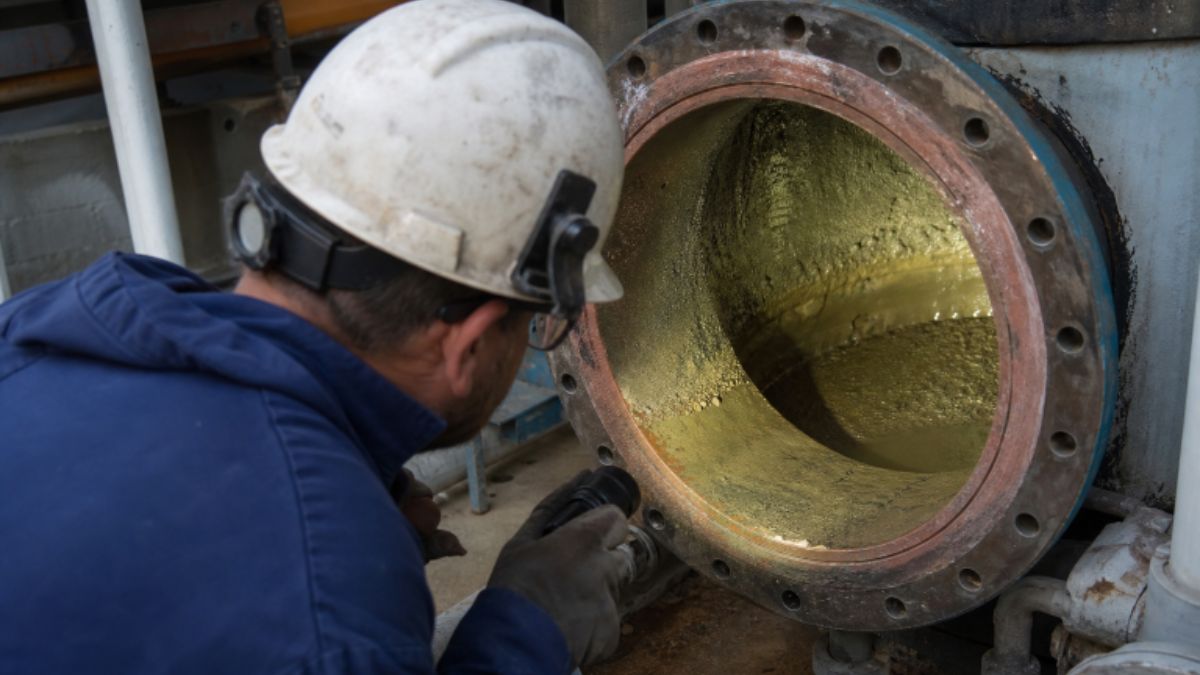
California facilities manage water under widely different conditions, from hot inland summers and high-demand cooling equipment to coastal properties, healthcare buildings, food plants, schools, and multifamily sites. A reliable plan for finding early growth and preventing recurring fouling can protect equipment performance while supporting safer operations. Facilities seeking biofilm control solutions California should begin with a clear picture of where water moves, where it slows down, and where deposits can collect.
Biofilm is not always visible as a thick layer of slime. It can begin as a thin, uneven community of microorganisms attached to pipe walls, tanks, filters, valves, heat-transfer surfaces, and other wet components. That attached growth can trap minerals and debris, interfere with treatment, and create conditions that are harder to correct once deposits become established.
Why Biofilm Deserves Attention
Free-floating microorganisms in a water sample and microorganisms attached to a surface are not the same problem. Attached growth can be protected by a matrix of organic material, minerals, and debris. As a result, a system may show acceptable-looking bulk-water results while deposits inside a heat exchanger, strainer, or low-flow branch continue to affect performance.
In California commercial and industrial settings, the operational signs may appear before visible slime does. A cooling loop may require more energy to achieve the same heat transfer. A filter may show a rising pressure drop. Small spray nozzles may lose flow. Under-deposit corrosion can also develop where moisture, solids, and microbial activity remain against a metal surface. These signals merit investigation before they become an outage, a cleaning emergency, or a water-quality concern.
How Biofilm Forms In Water Systems
Biofilm formation usually follows a simple sequence. Microorganisms enter through makeup water, air, dust, leaks, or process contamination. They attach to a wet surface, produce a protective matrix, and gradually collect nutrients, suspended solids, and mineral scale. Portions of the growth can later detach and move downstream.
Low-flow sections, dead legs, warm water, storage tanks, sediment, scale, and inconsistent cleaning can all increase the likelihood of attachment. The water management principles for preventing Legionella growth also identify biofilm, sediment, scale, corrosion, poor temperature control, and stagnation as conditions that should be managed together rather than individually.
Common Warning Signs Of Hidden Growth
- Increasing pressure drop across filters, strainers, or heat exchangers.
- Reduced flow through nozzles, fill sections, hoses, or small-bore piping.
- Declining heat-transfer performance or unexplained changes in energy use.
- Slime, odor, foam, discoloration, or recurring deposits.
- Higher chemical demand without a corresponding change in operating conditions.
- Repeated corrosion beneath deposits or recurring fouling shortly after cleaning.
- Unusual trends in turbidity, ATP, oxidation-reduction readings, microbial results, or disinfectant residuals.
The Limits Of Routine Water Testing
A single sample is a snapshot, not a full map of a water system. Sampling results can vary by location, flow, time of day, recent chemical additions, and maintenance activities. A sample taken from an open, well-mixed point may not reflect conditions inside a stagnant branch, behind a strainer, or on a heat-transfer surface.
That is why facility teams should compare water chemistry and microbial data with equipment trends and direct observations. Sampling remains useful, but it works best as one part of a broader monitoring program. Surface inspections, deposit analysis, corrosion evidence, pressure trends, and maintenance records can reveal a pattern that any one test could miss.
Building A Practical Monitoring Plan
Track Water Chemistry
Set practical control ranges for pH, conductivity, temperature, flow, oxidant or disinfectant residual, turbidity, suspended solids, and makeup and blowdown activity. The right frequency depends on the system, its risk profile, seasonal load, and the stability of readings.
Track Equipment Performance
Review heat-transfer efficiency, filter pressure drop, pump load, flow rate, corrosion coupons where used, cleaning frequency, and unplanned downtime. These measures connect water treatment decisions to real operating outcomes.
Inspect High-Risk Areas
Focus on storage tanks, sumps, dead legs, low-flow branches, cooling tower fill, distribution decks, strainers, heat exchangers, and areas downstream of leaks or process contamination. In potable systems, consider temperature, water age, sediment, biofilm, and disinfectant residual as key factors to evaluate.
Biofilm Control Methods
Mechanical Cleaning
Flushing, draining, brushing, scraping, filter replacement, and removal of settled solids address physical deposits that can shield microorganisms. Mechanical work is often necessary when a system has visible debris, heavy scale, or performance loss tied to fouling.
Chemical Treatment
Oxidizing and nonoxidizing treatments may each have a role, but selection should account for water chemistry, equipment materials, contact time, system volume, discharge requirements, and manufacturer instructions. Increasing the dose without checking compatibility or residence time can create damage without solving the underlying problem.
Dispersants And System Operation
Dispersants and penetrants may help loosen attached material, but loosened debris must be removed through flushing, filtration, or cleaning. Long-term prevention also depends on reducing stagnation, repairing nutrient-bearing leaks, maintaining flow, limiting sediment accumulation, and improving access for inspection.
A Step-By-Step Response Plan
- Confirm the signal by reviewing readings, sample locations, maintenance activity, and process changes.
- Map the system, including tanks, low-flow areas, filters, heat exchangers, and likely contamination sources.
- Inspect accessible surfaces for deposits, slime, discoloration, corrosion, and trapped debris.
- Compare data from more than one location when practical.
- Identify contributing conditions such as temperature, flow, sediment, leaks, or inconsistent dosing.
- Select a corrective action that fits the system materials, operating needs, and applicable rules.
- Remove loosened material and verify results through follow-up inspections and trend data.
Mistakes To Avoid
- Relying only on free-floating microbial counts.
- Waiting for visible slime before investigating worsening performance.
- Ignoring dead legs, poor circulation, or recurring sediment.
- Changing several treatment variables at once and losing the ability to identify what worked.
- Cleaning equipment without addressing the source of nutrients, debris, or stagnant water.
- Failing to document conditions before and after corrective action.
What Is Changing
The most useful change for many California facilities is not one new product or test. It is a better use of existing information. Continuous readings, electronic maintenance histories, and clearer alarm limits can help teams recognize a gradual shift in flow, chemistry, or heat transfer before fouling becomes severe. The strongest programs still pair data with routine visual inspection and disciplined follow-up.
Conclusion
Effective biofilm control starts with visibility. When California facility teams combine system mapping, water-quality trends, equipment performance data, surface inspections, cleaning, and carefully selected treatment, they can identify problems earlier and reduce repeat fouling. A consistent prevention plan is usually more manageable than responding after equipment is blocked, corrosion occurs, or a major water-system disruption occurs.

Choosing a puppy is a long-term commitment, so selecting the right breeder deserves more effort than comparing prices or picking the cutest photo. Whether you are considering a small companion dog or reviewing toy Schnauzer breeders, the goal is to find a program that is transparent about its dogs, standards, and responsibilities.
No breeder can guarantee a perfect dog or eliminate every future health concern. Responsible breeding is about making informed choices, reducing known risks where possible, raising puppies with thoughtful care, and matching each dog to a suitable home.
Why Breeder Choice Matters
A puppy’s early environment is part of its beginning, but it is not the entire story of its life. The mother’s care, the breeder’s planning, early handling, social experiences, and the transition to a new home can all affect how prepared a puppy is for change. A responsible breeder does not treat puppies as interchangeable products.
Good choices also begin with an honest match. An active household may be well suited to a dog that enjoys regular exercise and training, while a family with limited time for grooming may need a lower-maintenance coat. Selecting a breeder without first considering the breed and the household can create avoidable stress for both the dog and the buyer.
Start With The Breed
Research the breed before contacting breeders. Consider expected adult size, activity needs, grooming requirements, trainability, and typical behavior around unfamiliar people, children, and other animals. Every individual dog is different, but breed tendencies can help you decide whether a particular type of dog belongs in your daily routine.
Ask veterinarians, qualified trainers, breed clubs, and rescue organizations what new owners should realistically expect. Learn about health concerns commonly monitored in the breed, the equipment and grooming needed, and the cost of routine care. A striking coat color or a charming puppy video should never be the main reason for choosing a dog.
Check Health Testing
Health information can be confusing because a routine veterinary exam, a health screening, and a DNA test are not the same thing. A veterinary exam assesses a dog at a point in time. A screening may evaluate a specific concern, such as an orthopedic, eye, cardiac, or other breed-relevant condition. DNA testing can identify genetic variants associated with certain inherited disorders.
Ask which tests were completed for both parents, when they were performed, what the results were, and who issued them. Request records and verify them when possible rather than relying on broad phrases such as “healthy lines” or “vet checked.”
A clear result can reduce a known risk, but it cannot predict every illness a dog may develop. Transparency matters more than promises. A breeder should be able to explain which tests are relevant to the breed and discuss the results plainly.
Review Temperament And Daily Care
Physical health is only one part of a sound breeding program. Ask about the adult dogs’ temperaments and how they respond to ordinary situations, including visitors, handling, household activity, other dogs, and rest time. A responsible breeder should be willing to discuss both strengths and challenges honestly.
When visits or video calls are practical, observe the setting and the dogs. Look for clean, safe spaces, access to rest, age-appropriate enrichment, and calm, respectful handling. The father may live elsewhere, but the mother should not be a mystery. Puppies also benefit from gradual exposure to normal household sounds, gentle handling, and positive routines before they move to new homes.
Ask Better Questions
Bring a written list so that important details are not forgotten during an exciting conversation. Useful questions include:
- What breed-specific health tests were completed for each parent?
- Can the results be verified through a testing organization or veterinary provider?
- How are adult dogs cared for between litters?
- How are puppies introduced to handling, household sounds, and daily routines?
- How do you decide which puppy is best suited to a particular home?
- What records will accompany the puppy?
- What happens if the buyer can no longer keep the dog?
- What guidance is available after the puppy goes home?
Spot Warning Signs
Be cautious when a seller pressures you to pay immediately, refuses to provide records, avoids questions about the parents, or discourages reasonable requests for a visit or a video call. Constant availability of many breeds, claims centered only on rare colors or unusually tiny size, and guarantees about personality or health also deserve closer scrutiny.
A polished website and attractive social media posts do not, by themselves, demonstrate good care. At the same time, one concern does not automatically prove poor treatment. Look for patterns, compare answers with documentation, and give yourself time to research before sending money.
Review The Contract And Support
Read the full contract before placing a deposit. It should clearly address the puppy’s identifying details, health terms, registration information (if applicable), return policy, transfer restrictions, and any spay-or-neuter agreement. It should also state what records the buyer receives and what steps to take if a health or placement issue arises.
A return-to-breeder clause can protect a dog when a family experiences an unexpected move, illness, financial hardship, or other major change. Breeders who accept long-term responsibility usually provide ongoing guidance as well. The planning involved in responsible dog breeding illustrates why careful mate selection, health knowledge, puppy care, and owner screening all matter.
Make A Careful Choice
Compare at least two or three breeding programs before making a final decision. Instead of relying on a single impression, create a simple checklist for each program:
- Health records are specific, complete, and verifiable.
- Adult dogs appear appropriately cared for, and their temperaments are discussed openly.
- Communication is respectful, direct, and free from high-pressure sales tactics.
- The breeder asks meaningful questions about your lifestyle and plans for the dog.
- The contract is available before payment and includes a clear return policy.
- The total budget accounts for food, preventive veterinary care, training, grooming, insurance, and unexpected expenses.
Patience is often part of making a responsible choice. Waiting for the right litter, the right puppy, and the right breeder relationship is usually better than rushing because a puppy is immediately available. Responsible dog ownership starts before the dog comes home, with careful research, transparent communication, and a commitment to lifelong care.
-

 TOPIC2 years ago
Glamorous and Radiant: Styling Trendy Pink Dresses for Special Occasions with Pureology Professional Hair Care
-

 TOPIC2 years ago
Top Tips for Cleaning Your Outdoor Patio Rug
-

 TOPIC2 years ago
The Best Shoes to Wear with Yellow Prom Dresses
-

 TECHNOLOGY2 years ago
Unveiling Sifangds: The Future of Digital Innovation
-

 EDUCATION2 years ago
7 Key Insights from the Book ‘Dissertation Journey’ – A Review for PhD Students
-

 TOPIC2 years ago
Top 10 Gift Cards in Romania: A Complete Guide
-

 TOPIC2 years ago
Puppygirlxd: A Case Study in Modern Identity and Expression
-

 TECHNOLOGY2 years ago
The Future of IT Support: Strategies for Efficient Problem-Solving