
TOPIC
Marfusha Romania Stamp: A Detailed Guide for Philatelists


Philately, the art of collecting stamps, takes enthusiasts on an exhilarating journey through history and culture. One stamp that stands out in this vibrant world is the Marfusha Romania Stamp. With its rich narrative and distinct design, it captivates collectors from all corners of the globe. Whether you’re a seasoned philatelist or just starting your collection, understanding the significance of this unique piece can deepen your appreciation for not only Romanian postal history but also stamp collecting as a whole. Join us as we delve into the fascinating story behind the Marfusha Romania Stamp and uncover what makes it a must-have for any serious collector!
History and Background of the Stamp
The Marfusha Romania stamp is steeped in rich history. Issued during a transformative period for Romania, this stamp reflects the nation’s cultural evolution and its aspirations on the global stage.
First released in 1872, it emerged amidst significant political changes. This was a time when Romania sought to establish its identity and assert independence from foreign influences.
Originally designed by influential artists, the Marfusha stamp showcases intricate details that represent Romanian folklore. Its imagery connects collectors with centuries of tradition and national pride.
As postal services expanded, these stamps became essential for communication across borders. They played a vital role in fostering connections within communities and beyond.
Over time, the Marfusha gained recognition among philatelists not just for its aesthetic appeal but also as a symbol of Romania’s journey through turbulent times. Each stamp tells a story waiting to be explored further.
Unique Features and Design of the Marfusha Stamp
The Marfusha Romania stamp is a visual delight for collectors. Its design stands out with vibrant colors and intricate details that capture attention immediately.
One of the most notable features is the depiction of Marfusha herself, often illustrated in traditional attire. This nod to Romanian culture adds an authentic touch that resonates with history enthusiasts.
The use of high-quality paper enhances its appeal, giving it a distinct texture that contrasts beautifully against the sharpness of the printed image.
Additionally, subtle engravings and unique print techniques are employed, making each stamp one-of-a-kind. The careful craftsmanship reflects both artistic talent and historical significance within philately.
Collectors appreciate these elements as they contribute to the charm and allure surrounding this iconic stamp, setting it apart from others in collection portfolios.
Value and Rarity of the Stamp in the Philatelic World
The Marfusha Romania stamp holds a unique position in the philatelic world, prized for its distinctive design and historical significance. Collectors often seek it out not only for its aesthetic appeal but also for its intriguing backstory.
Its rarity adds to its allure. Limited print runs contribute to scarcity, making even modestly priced pieces highly sought after. The market fluctuates based on demand, condition, and provenance; rare specimens can fetch impressive sums at auctions.
Condition plays a crucial role in determining value. A well-preserved Marfusha stamp commands higher prices compared to those showing wear or damage. Philatelists pay close attention to factors like centering, perforation quality, and color vibrancy when assessing worth.
Collectors should keep an eye on emerging trends within the community since values can shift with new research or discoveries related to this captivating stamp type.
Tips for Collecting and Preserving Marfusha Stamps
When collecting Marfusha Romania stamps, start by investing in high-quality albums. Look for those with acid-free pages to prevent damage over time.
Always handle your stamps with care. Use tweezers or cotton gloves to avoid fingerprints and oils that can degrade the surface.
Consider the environmental factors of your storage area. Keep them away from direct sunlight and humidity, as both can cause fading and warping.
Regularly check your collection for any signs of deterioration. If you notice anything unusual, take action immediately to preserve their condition.
Connect with other philatelists online or through local clubs. Sharing knowledge enhances your collecting experience while providing tips on preservation techniques tailored specifically for Marfusha stamps.
Other Famous Romanian Stamps
Romania boasts a rich philatelic history, featuring numerous stamps that have captured the interest of collectors worldwide. One notable example is the 1858 “Prince Carol” stamp, which marked one of Romania’s first attempts at creating its own postal system.
Another gem is the “Red Cross” issue from 1913. This series not only highlights Romania’s commitment to humanitarian efforts but also features stunning artwork and intricate designs.
The “King Ferdinand” stamps from 1920 are also highly sought after. They celebrate Romania’s royal heritage through elegant portraits, making them a favorite among enthusiasts.
Additionally, the colorful “Flora and Fauna” series released in the late ’60s showcases Romania’s biodiversity while reflecting artistic trends of that era. Each stamp tells a story and adds depth to any collection focused on Romanian history or culture.
Conclusion: The Importance of Marfusha Stamps in Philately
The Marfusha Romania Stamp holds a special place in the hearts of philatelists around the world. Its historical significance reflects a unique period in Romanian history, capturing both artistic and cultural elements that resonate with collectors. The intricate design and distinct features make it more than just a piece of paper; it’s a window into the past.
As collectors seek out rare items, the Marfusha stamp stands out due to its limited availability and rich backstory. It serves as an excellent example for those wanting to deepen their understanding of Romanian postal history or expand their collections with meaningful pieces.
Collecting these stamps not only enriches individual collections but also fosters appreciation for Romania’s heritage within the broader context of global philately. Whether you’re an established collector or just starting out, exploring Marfusha stamps can provide insights into various aspects of collecting—from rarity and condition to market value.
Engaging with Marfusha stamps is about connecting with history while enjoying a rewarding hobby that spans generations.

A temporary kitchen is more than a few cooking appliances placed near an event or job site. It is a short-term food service system that needs a workable menu, safe utilities, sanitation, storage, staffing, and a clear closing plan. For projects that need a ready-made commercial setup, kitchen trailers for rent from Affordable Mobile Kitchen Rentals can provide a configurable mobile kitchen option for events, renovations, construction work, and emergency food service. The company serves East Coast locations, including New Jersey, New York, Florida, Georgia, Pennsylvania, and nearby states, with mobile kitchen units and temporary refrigeration options.
Planning early helps operators avoid common disruptions such as inadequate cold storage, missed inspections, unsafe food flow, and utility problems discovered after delivery. A one-day festival may need a compact, menu-specific layout, while a restaurant renovation or disaster response operation may require reliable production capacity for weeks. In either case, the goal is to create an organized workspace where food can move safely from delivery to service.
Why Temporary Kitchen Planning Matters
Temporary kitchens help maintain meal service when a permanent kitchen is closed, damaged, overcrowded, or unavailable. They can support caterers, restaurants, relief organizations, crew meal providers, and event organizers, but their requirements are not identical. The planned length of operation, number of meals, cooking methods, location, and available utilities should guide every major decision.
Local requirements also matter. Health departments, fire officials, property owners, and event organizers may each have conditions for food preparation, propane use, wastewater, electrical connections, and access routes. For example, the temporary food establishment guidance in Virginia illustrates why organizers should contact the local health department well before opening day.
Start With the Type of Operation
Define the operation before selecting a site or equipment package. A temporary kitchen may be designed for a special event, a restaurant remodel, a construction or remote work site, emergency response, or large-scale meal service. Each use case affects the hours of operation, menu complexity, delivery schedule, staffing plan, and need for backup equipment.
Match the Setup to the Assignment
- Special events: Focus on fast service, guest flow, weather protection, and limited operating hours.
- Restaurant renovations: Preserve menu continuity while the permanent kitchen is unavailable.
- Work sites: Plan for employee meal periods, transportation access, and practical cleanup.
- Emergency response: Prioritize dependable utilities, food storage, sanitation, and adaptable capacity.
Estimate Food Volume and Menu Needs
Start with a realistic daily count of breakfasts, lunches, dinners, snacks, and beverages. Then list every menu item and the work it requires: cold preparation, grilling, frying, baking, reheating, hot holding, or refrigerated storage. A simple menu with preportioned food will generally require less labor and equipment than a menu with multiple made-to-order items.
- Include vegetarian, vegan, allergen-aware, kosher, halal, or other required meal options.
- Allow a reasonable buffer for late arrivals, spills, staff meals, and unexpected demand.
- Identify ingredients that need frozen, refrigerated, dry, or secure storage.
- Decide whether food will arrive prepared, be cooked on-site, or use both approaches.
Choose a Location That Supports Safe Work
Select a level, stable area with enough room for delivery vehicles, workers, food storage, waste collection, and emergency access. The kitchen should be close enough to the service point to limit travel time, while still leaving space for staff to move without crossing through cooking or sanitation zones. Outdoor operations should also account for rain, heat, wind, mud, snow, lighting, and secure access after hours.
Before confirming the site, verify where power, potable water, wastewater handling, fuel connections, ventilation, trash removal, and grease collection will be located. A suitable footprint without dependable utilities can quickly become an unworkable kitchen.
Build the Equipment and Utility Plan Together
Equipment planning should cover more than ovens and burners. A complete temporary kitchen may need cooking equipment, refrigerated or frozen storage, worktables, shelving, preparation tools, handwashing stations, warewashing capacity, food thermometers, sanitation supplies, service equipment, and fire protection. The menu and expected volume should determine what is essential.
Confirm electrical load, voltage, amperage, water supply, drainage, and fuel requirements before delivery. Test key connections before food arrives, especially refrigeration, lighting, ventilation, and cooking equipment. Create a practical backup plan for power loss, water interruptions, delayed deliveries, or a critical appliance failure.
Set Up Safe Food Flow
A clear layout makes busy service easier to manage and helps separate clean and dirty tasks. Establish a one-way path whenever possible: receive food, place it in dry, cold, or frozen storage, move it to preparation, cook it, hold it safely, and transfer it to service. Keep raw ingredients separate from ready-to-eat food, and keep dirty dishes, waste, and cleaning tools away from preparation and plating areas.
Assign Distinct Work Zones
- Receiving and delivery staging
- Dry, refrigerated, and frozen storage
- Preparation and cooking
- Hot holding and service
- Handwashing and warewashing
- Trash, recycling, grease, and wastewater handling
Prepare Staff, Permits, and Opening Procedures
Contact the appropriate health department early to determine permit, application, inspection, and food-source requirements. Also confirm any fire, propane, electrical, building, and event rules that apply at the site. Keep required permits, inspection records, and operating documents accessible during service.
Assign leads for receiving, prep, cooking, sanitation, service, and closing. Before opening, give every worker a short site orientation covering handwashing, temperature checks, emergency shutoffs, fire procedures, break coverage, and restricted areas. Simple signs for storage, waste, clean equipment, and staff-only zones can reduce confusion.
Use a Pre-Opening and Shutdown Checklist
Before service begins, confirm that utilities are working, cold storage is operating, sinks are stocked, fire equipment is accessible, cleaning supplies are available, and staff understand their responsibilities. During service, record required temperature checks and address problems promptly.
Cleanup should be planned before the first meal is served. At closing, store or discard food correctly, clean food-contact surfaces and floors, remove waste, manage used cooking oil and wastewater as required, shut down utilities safely, and prepare rented equipment for pickup. Treating the temporary kitchen as a complete system, rather than a collection of appliances, creates a safer and more reliable operation from opening through final removal.
TOPIC
The Data-Ready Production Line: What Wire, Cable, and Rope Producers Should Demand from New Machinery

Mechanical performance used to be the main quality defining machinery. Now, the industry is more competitive than ever. Wire, cable, and rope producers need to work with machines that can generate ready-to-use production data, support traceability, and reduce downtime if they want to stand out.
Data-ready production line is no longer an option. Only when producers have good control and visibility will they be able to fully maintain stable quality, understand downtime and hidden losses, and document what happened during production. Data-ready production systems also help producers make better-informed operational decisions. This is what solutions such as MFL X for wire, cable, and rope manufacturing aim to provide.
What Producers Should Expect from Modern Machinery Data
Modern machinery should be able to provide operational intelligence while still performing well. Some of the capabilities that producers should expect include:
- Closed-loop control: The system can automatically regulate a process variable to match a setpoint. This ensures a more stable performance.
- Recipe management: Help manufacturers control and manage their production recipes more easily and effectively. Overall, it can improve repeatability across runs and operators.
- Alarm history: Understand recurring issues so manufacturers can adjust and make well-informed improvements.
- Downtime records: Show producers why downtime occurs to distinguish major failures from chronic hidden losses better.
- Exportable production logs: Allow manufacturers to make internal analysis and support traceability.
Data is highly significant in modern production. Modern machinery that can provide better and more detailed insights to producers can protect not only output, but also accountability. This is the aim of machinery manufacturers like MFL Group and its MFL X division, which is to support end users and help them make better operational decisions and optimise overall equipment effectiveness.
Turning Alarms and Downtime Into Usable Management Information
Most factories’ machinery already comes with alarms, but they usually don’t provide insights that can be beneficial to management. When alarm history and downtime analysis become operational data providing:
- Root cause analysis
- Predictive maintenance
- What management can optimise regarding the production process
- Higher accuracy performance tracking
They can become signals that management can turn into decisions. Acumen is one of the best examples of this. It’s a modular industrial IoT application that assists with data-driven operational decisions, better customer support, and OEE optimisation that reduces the information gap between manufacturer and operator.
Remote Service Done Right and Safely
Remote service is the ability to analyse, track, and manage a machine’s performance in real-time from any location. When done properly, it’ll be an advantage for manufacturers. By leveraging cloud-based analytics and industrial IoT to tackle multiple challenges.
They can provide quicker support and troubleshooting. Users can then get expert intervention immediately when needed for better continuity. Remote service also reduces downtime as the right information can reach the user much more quickly.
However, manufacturers need to be aware of data integrity and cybersecurity when handling remote service. Some industrial machines may not be designed to connect to the internet, which can expose the manufacturer to an open network. When users properly know how to leverage remote service, it’ll be a great advantage.
Why Data-Ready Also Means Easier Proof of Quality
Producers with data-ready production lines will have in-line monitoring, alarm history, repeatable settings, and exportable logs that strengthen their ability to produce stable and traceable output. Technologies such as AI-based inspection systems, like Eagle, can also detect defects during production, supporting consistent performance and output. Modern customers are knowledgeable and would appreciate evidence that can back claims.
Executive Takeaway: What to Demand Before Buying New Machinery
Investing in new machinery is no longer just about mechanical performance and output speed. Modern production lines need to pay attention to quality, efficiency, and operations. So, before buying new machinery, producers need to consider:
- Usable production data
- Stable and repeatable performance
- Clear alarm and downtime records
- Real-time monitoring
- Secure remote diagnostic
Machinery providing strong mechanical performance while being able to provide operational data will be highly advantageous to producers. Not only will it improve overall production efficiency, but it can also help maintain quality and lead manufacturers to make better decisions.
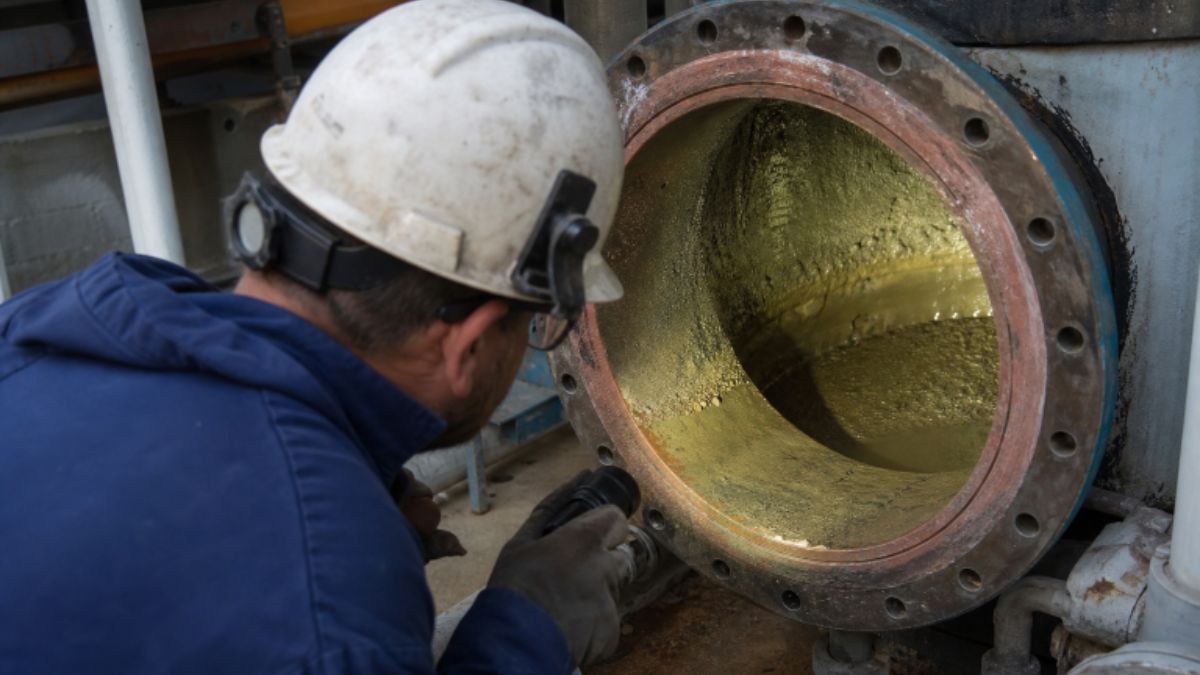
California facilities manage water under widely different conditions, from hot inland summers and high-demand cooling equipment to coastal properties, healthcare buildings, food plants, schools, and multifamily sites. A reliable plan for finding early growth and preventing recurring fouling can protect equipment performance while supporting safer operations. Facilities seeking biofilm control solutions California should begin with a clear picture of where water moves, where it slows down, and where deposits can collect.
Biofilm is not always visible as a thick layer of slime. It can begin as a thin, uneven community of microorganisms attached to pipe walls, tanks, filters, valves, heat-transfer surfaces, and other wet components. That attached growth can trap minerals and debris, interfere with treatment, and create conditions that are harder to correct once deposits become established.
Why Biofilm Deserves Attention
Free-floating microorganisms in a water sample and microorganisms attached to a surface are not the same problem. Attached growth can be protected by a matrix of organic material, minerals, and debris. As a result, a system may show acceptable-looking bulk-water results while deposits inside a heat exchanger, strainer, or low-flow branch continue to affect performance.
In California commercial and industrial settings, the operational signs may appear before visible slime does. A cooling loop may require more energy to achieve the same heat transfer. A filter may show a rising pressure drop. Small spray nozzles may lose flow. Under-deposit corrosion can also develop where moisture, solids, and microbial activity remain against a metal surface. These signals merit investigation before they become an outage, a cleaning emergency, or a water-quality concern.
How Biofilm Forms In Water Systems
Biofilm formation usually follows a simple sequence. Microorganisms enter through makeup water, air, dust, leaks, or process contamination. They attach to a wet surface, produce a protective matrix, and gradually collect nutrients, suspended solids, and mineral scale. Portions of the growth can later detach and move downstream.
Low-flow sections, dead legs, warm water, storage tanks, sediment, scale, and inconsistent cleaning can all increase the likelihood of attachment. The water management principles for preventing Legionella growth also identify biofilm, sediment, scale, corrosion, poor temperature control, and stagnation as conditions that should be managed together rather than individually.
Common Warning Signs Of Hidden Growth
- Increasing pressure drop across filters, strainers, or heat exchangers.
- Reduced flow through nozzles, fill sections, hoses, or small-bore piping.
- Declining heat-transfer performance or unexplained changes in energy use.
- Slime, odor, foam, discoloration, or recurring deposits.
- Higher chemical demand without a corresponding change in operating conditions.
- Repeated corrosion beneath deposits or recurring fouling shortly after cleaning.
- Unusual trends in turbidity, ATP, oxidation-reduction readings, microbial results, or disinfectant residuals.
The Limits Of Routine Water Testing
A single sample is a snapshot, not a full map of a water system. Sampling results can vary by location, flow, time of day, recent chemical additions, and maintenance activities. A sample taken from an open, well-mixed point may not reflect conditions inside a stagnant branch, behind a strainer, or on a heat-transfer surface.
That is why facility teams should compare water chemistry and microbial data with equipment trends and direct observations. Sampling remains useful, but it works best as one part of a broader monitoring program. Surface inspections, deposit analysis, corrosion evidence, pressure trends, and maintenance records can reveal a pattern that any one test could miss.
Building A Practical Monitoring Plan
Track Water Chemistry
Set practical control ranges for pH, conductivity, temperature, flow, oxidant or disinfectant residual, turbidity, suspended solids, and makeup and blowdown activity. The right frequency depends on the system, its risk profile, seasonal load, and the stability of readings.
Track Equipment Performance
Review heat-transfer efficiency, filter pressure drop, pump load, flow rate, corrosion coupons where used, cleaning frequency, and unplanned downtime. These measures connect water treatment decisions to real operating outcomes.
Inspect High-Risk Areas
Focus on storage tanks, sumps, dead legs, low-flow branches, cooling tower fill, distribution decks, strainers, heat exchangers, and areas downstream of leaks or process contamination. In potable systems, consider temperature, water age, sediment, biofilm, and disinfectant residual as key factors to evaluate.
Biofilm Control Methods
Mechanical Cleaning
Flushing, draining, brushing, scraping, filter replacement, and removal of settled solids address physical deposits that can shield microorganisms. Mechanical work is often necessary when a system has visible debris, heavy scale, or performance loss tied to fouling.
Chemical Treatment
Oxidizing and nonoxidizing treatments may each have a role, but selection should account for water chemistry, equipment materials, contact time, system volume, discharge requirements, and manufacturer instructions. Increasing the dose without checking compatibility or residence time can create damage without solving the underlying problem.
Dispersants And System Operation
Dispersants and penetrants may help loosen attached material, but loosened debris must be removed through flushing, filtration, or cleaning. Long-term prevention also depends on reducing stagnation, repairing nutrient-bearing leaks, maintaining flow, limiting sediment accumulation, and improving access for inspection.
A Step-By-Step Response Plan
- Confirm the signal by reviewing readings, sample locations, maintenance activity, and process changes.
- Map the system, including tanks, low-flow areas, filters, heat exchangers, and likely contamination sources.
- Inspect accessible surfaces for deposits, slime, discoloration, corrosion, and trapped debris.
- Compare data from more than one location when practical.
- Identify contributing conditions such as temperature, flow, sediment, leaks, or inconsistent dosing.
- Select a corrective action that fits the system materials, operating needs, and applicable rules.
- Remove loosened material and verify results through follow-up inspections and trend data.
Mistakes To Avoid
- Relying only on free-floating microbial counts.
- Waiting for visible slime before investigating worsening performance.
- Ignoring dead legs, poor circulation, or recurring sediment.
- Changing several treatment variables at once and losing the ability to identify what worked.
- Cleaning equipment without addressing the source of nutrients, debris, or stagnant water.
- Failing to document conditions before and after corrective action.
What Is Changing
The most useful change for many California facilities is not one new product or test. It is a better use of existing information. Continuous readings, electronic maintenance histories, and clearer alarm limits can help teams recognize a gradual shift in flow, chemistry, or heat transfer before fouling becomes severe. The strongest programs still pair data with routine visual inspection and disciplined follow-up.
Conclusion
Effective biofilm control starts with visibility. When California facility teams combine system mapping, water-quality trends, equipment performance data, surface inspections, cleaning, and carefully selected treatment, they can identify problems earlier and reduce repeat fouling. A consistent prevention plan is usually more manageable than responding after equipment is blocked, corrosion occurs, or a major water-system disruption occurs.
-

 TOPIC2 years ago
Glamorous and Radiant: Styling Trendy Pink Dresses for Special Occasions with Pureology Professional Hair Care
-

 TOPIC2 years ago
Top Tips for Cleaning Your Outdoor Patio Rug
-

 TECHNOLOGY2 years ago
Unveiling Sifangds: The Future of Digital Innovation
-

 TOPIC2 years ago
The Best Shoes to Wear with Yellow Prom Dresses
-

 EDUCATION2 years ago
7 Key Insights from the Book ‘Dissertation Journey’ – A Review for PhD Students
-

 TOPIC2 years ago
Top 10 Gift Cards in Romania: A Complete Guide
-

 TOPIC2 years ago
Puppygirlxd: A Case Study in Modern Identity and Expression
-

 TECHNOLOGY2 years ago
The Future of IT Support: Strategies for Efficient Problem-Solving