
TOPIC
Crafting Your Own Epaulettes: A DIY Guide for Fashion Enthusiasts

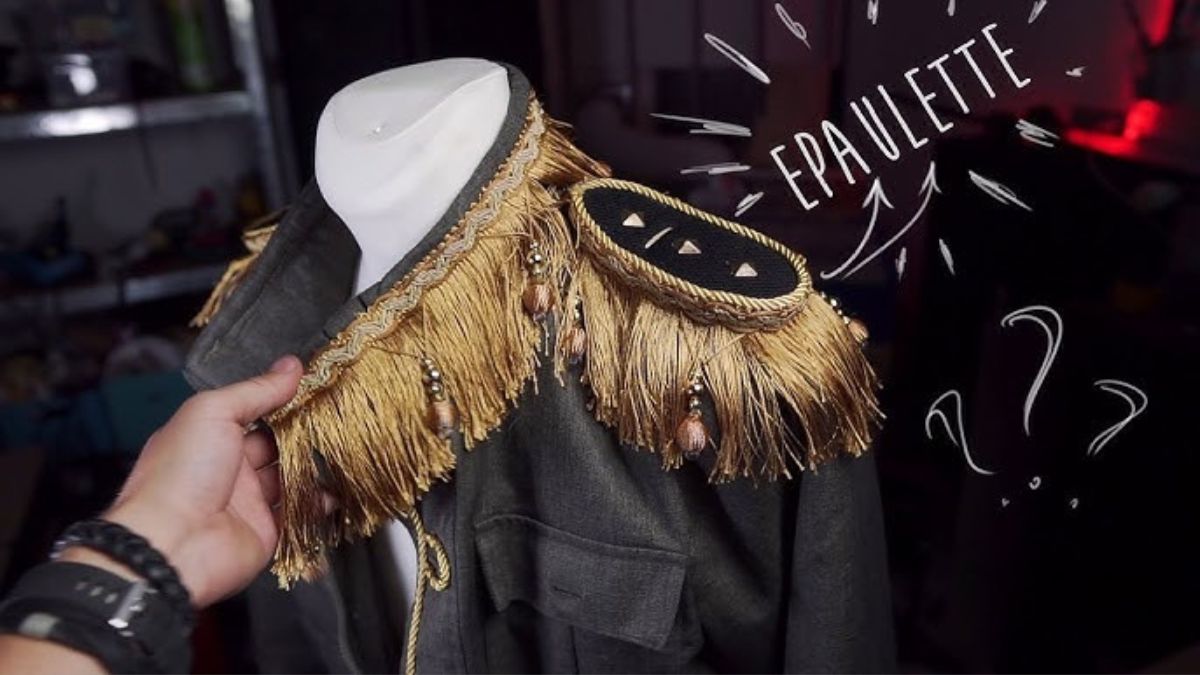
Epaulettes have made a remarkable comeback in the world of fashion. These decorative shoulder pieces, once reserved for military uniforms, now grace everything from coats to casual tops. They add an element of sophistication and flair that can elevate any outfit. Are you ready to explore your creative side? Crafting your own epaulettes allows you to personalize your wardrobe while embracing this trendy style statement. Whether you’re looking to revamp a classic jacket or create something entirely new, making epaulettes is easier than you might think! Let’s dive into the exciting world of DIY fashion and discover how to craft stunning epaulettes that showcase your unique aesthetic.
Materials Needed for Crafting Epaulettes
To craft your own stunning epaulettes, you’ll need a variety of materials. Start with the base fabric—think denim, canvas, or felt for a sturdy foundation. Choose something that complements your clothing.
Next, gather embellishments to elevate your design. Beads, sequins, and metallic threads can add flair and personality. Don’t forget about decorative patches; they can transform an ordinary piece into something extraordinary.
Also essential are sewing tools like scissors, needles, and thread in matching colors. A hot glue gun is handy for attaching embellishments quickly.
Grab some interfacing to provide structure if needed. This will help maintain the shape of your finished epaulettes while ensuring durability during wear. With these materials at hand, you’re ready to embark on your crafting journey!
Step-by-Step Guide to Creating Epaulettes
Creating your own epaulettes can be a fun and rewarding project. Start by selecting the right base fabric. Cotton, velvet, or faux leather works beautifully.
Next, think about embellishments. Sequins, beads, or even metallic thread can add flair to your design. Play with patterns that reflect your style.
Once you have the fabric ready and decorated, it’s time to attach them to clothing items. Use sturdy stitches or fabric glue for durability. Make sure they sit comfortably on the shoulders without weighing down the garment.
Experiment with different shapes too—rounded edges give a soft look while sharp angles create an edgy vibe. Don’t forget to consider color combinations that complement your outfit perfectly!
Each step allows for creativity; enjoy personalizing every detail until it feels uniquely yours!
A. Choosing the Base Fabric
Choosing the right base fabric is crucial for crafting stunning epaulettes. The texture and weight of the material will significantly influence your final design.
Consider fabrics like cotton, denim, or silk, depending on the look you’re aiming for. Cotton provides a casual vibe, while silk adds elegance to your creation.
Also think about durability. If you want your epaulettes to withstand wear and tear, opt for sturdier options like canvas or twill. They’ll hold their shape and keep looking great over time.
Color plays an essential role too. Choose shades that complement your clothing pieces or make a bold statement with bright hues.
Don’t forget about patterns! Stripes or florals can add visual interest to what might otherwise be a plain accessory. Your choice of fabric sets the stage for creativity; let it reflect your personal style.
B. Adding Embellishments and Designs
Adding embellishments to your epaulettes can transform them from simple accessories into statement pieces. Think about the mood you want to convey. Will it be elegant, edgy, or playful?
Consider using beads, sequins, or even feathers for a touch of glamour. Metallic studs can give an industrial vibe while lace trims add a romantic flair. The key is balance; don’t overcrowd your design.
You might also explore fabric paint or embroidery to create unique patterns. A splash of color can make all the difference and showcase your personal style.
Layering textures is another fantastic way to enhance the visual appeal. Combine different fabrics like leather with silk for depth and interest.
Experimentation is encouraged! Lay out your chosen materials before committing, ensuring that every element aligns with your vision for the final look.
C. Attaching the Epaulettes to Clothing Items
Attaching epaulettes to your clothing can elevate any outfit. Start by selecting the ideal placement on your garment. Common spots include shoulders or upper sleeves, where they can add visual interest and structure.
Use fabric glue for a no-sew option. Apply it generously to the underside of the epaulette, then press firmly onto the fabric. Allow it to dry completely before wearing.
If you prefer a more secure attachment, consider sewing them on instead. Use matching thread and a straight stitch around the edges for durability. This method not only keeps them in place but also adds an authentic touch.
For versatility, think about using snap buttons or Velcro strips. These allow you to remove or replace epaulettes easily depending on your mood or outfit choice. Experiment with various techniques until you find what works best for your style!
Tips and Tricks for Perfecting Your Epaulette Design
When crafting epaulettes, focus on balance. Ensure that the embellishments are evenly distributed for a polished look.
Experiment with colors and textures. Mixing materials can add depth to your design, making it stand out even more.
Don’t shy away from asymmetry; an off-center design can create visual interest while remaining stylish.
Use fabric stiffener if you want your epaulettes to hold their shape. This is especially useful for larger designs or when using softer fabrics.
Try hand-stitching for a personal touch. It allows you to get creative with patterns and ensures durability.
Consider how light interacts with your materials. Shiny finishes may catch the eye in unexpected ways, enhancing the overall appeal of your creation.
Alternative Uses for Epaulettes in Fashion
Epaulettes are not just for military-inspired looks. They have found their way into various aspects of fashion, transforming ordinary outfits into statement pieces.
Consider adding epaulettes to a denim jacket for an edgy twist. The juxtaposition of casual fabric and structured embellishments creates a unique vibe that stands out.
You can also use them on handbags or clutches. Attaching small epaulettes gives even the simplest accessory a chic upgrade, making it perfect for evening outings.
For those who love DIY projects, try incorporating epaulettes into hats or headbands. This unexpected addition adds flair and personal style to your ensemble.
Even in footwear, consider using mini-epaulettes to embellish sneakers or heels. A touch here can elevate your shoes from basic to bold without overwhelming the overall look.
Exploring these alternative uses opens up endless possibilities for creativity in your wardrobe.
Conclusion
Epaulettes offer a unique way to elevate your fashion game. Crafting your own allows for personalization and creativity that store-bought options often lack. The process can be both fun and rewarding, giving you the chance to express your individual style.
Whether you choose sleek fabric or bold embellishments, every detail counts in making eye-catching epaulettes. Plus, attaching them to various clothing items adds versatility to your wardrobe.
As trends continue to evolve, exploring alternative uses for epaulettes can keep your outfits fresh and exciting. From bags to hats, the possibilities are endless when it comes to styling these decorative accents.
So grab your materials and start creating! Your next fashion statement is just an epaulette away.

Choosing a puppy is a long-term commitment, so selecting the right breeder deserves more effort than comparing prices or picking the cutest photo. Whether you are considering a small companion dog or reviewing toy Schnauzer breeders, the goal is to find a program that is transparent about its dogs, standards, and responsibilities.
No breeder can guarantee a perfect dog or eliminate every future health concern. Responsible breeding is about making informed choices, reducing known risks where possible, raising puppies with thoughtful care, and matching each dog to a suitable home.
Why Breeder Choice Matters
A puppy’s early environment is part of its beginning, but it is not the entire story of its life. The mother’s care, the breeder’s planning, early handling, social experiences, and the transition to a new home can all affect how prepared a puppy is for change. A responsible breeder does not treat puppies as interchangeable products.
Good choices also begin with an honest match. An active household may be well suited to a dog that enjoys regular exercise and training, while a family with limited time for grooming may need a lower-maintenance coat. Selecting a breeder without first considering the breed and the household can create avoidable stress for both the dog and the buyer.
Start With The Breed
Research the breed before contacting breeders. Consider expected adult size, activity needs, grooming requirements, trainability, and typical behavior around unfamiliar people, children, and other animals. Every individual dog is different, but breed tendencies can help you decide whether a particular type of dog belongs in your daily routine.
Ask veterinarians, qualified trainers, breed clubs, and rescue organizations what new owners should realistically expect. Learn about health concerns commonly monitored in the breed, the equipment and grooming needed, and the cost of routine care. A striking coat color or a charming puppy video should never be the main reason for choosing a dog.
Check Health Testing
Health information can be confusing because a routine veterinary exam, a health screening, and a DNA test are not the same thing. A veterinary exam assesses a dog at a point in time. A screening may evaluate a specific concern, such as an orthopedic, eye, cardiac, or other breed-relevant condition. DNA testing can identify genetic variants associated with certain inherited disorders.
Ask which tests were completed for both parents, when they were performed, what the results were, and who issued them. Request records and verify them when possible rather than relying on broad phrases such as “healthy lines” or “vet checked.”
A clear result can reduce a known risk, but it cannot predict every illness a dog may develop. Transparency matters more than promises. A breeder should be able to explain which tests are relevant to the breed and discuss the results plainly.
Review Temperament And Daily Care
Physical health is only one part of a sound breeding program. Ask about the adult dogs’ temperaments and how they respond to ordinary situations, including visitors, handling, household activity, other dogs, and rest time. A responsible breeder should be willing to discuss both strengths and challenges honestly.
When visits or video calls are practical, observe the setting and the dogs. Look for clean, safe spaces, access to rest, age-appropriate enrichment, and calm, respectful handling. The father may live elsewhere, but the mother should not be a mystery. Puppies also benefit from gradual exposure to normal household sounds, gentle handling, and positive routines before they move to new homes.
Ask Better Questions
Bring a written list so that important details are not forgotten during an exciting conversation. Useful questions include:
- What breed-specific health tests were completed for each parent?
- Can the results be verified through a testing organization or veterinary provider?
- How are adult dogs cared for between litters?
- How are puppies introduced to handling, household sounds, and daily routines?
- How do you decide which puppy is best suited to a particular home?
- What records will accompany the puppy?
- What happens if the buyer can no longer keep the dog?
- What guidance is available after the puppy goes home?
Spot Warning Signs
Be cautious when a seller pressures you to pay immediately, refuses to provide records, avoids questions about the parents, or discourages reasonable requests for a visit or a video call. Constant availability of many breeds, claims centered only on rare colors or unusually tiny size, and guarantees about personality or health also deserve closer scrutiny.
A polished website and attractive social media posts do not, by themselves, demonstrate good care. At the same time, one concern does not automatically prove poor treatment. Look for patterns, compare answers with documentation, and give yourself time to research before sending money.
Review The Contract And Support
Read the full contract before placing a deposit. It should clearly address the puppy’s identifying details, health terms, registration information (if applicable), return policy, transfer restrictions, and any spay-or-neuter agreement. It should also state what records the buyer receives and what steps to take if a health or placement issue arises.
A return-to-breeder clause can protect a dog when a family experiences an unexpected move, illness, financial hardship, or other major change. Breeders who accept long-term responsibility usually provide ongoing guidance as well. The planning involved in responsible dog breeding illustrates why careful mate selection, health knowledge, puppy care, and owner screening all matter.
Make A Careful Choice
Compare at least two or three breeding programs before making a final decision. Instead of relying on a single impression, create a simple checklist for each program:
- Health records are specific, complete, and verifiable.
- Adult dogs appear appropriately cared for, and their temperaments are discussed openly.
- Communication is respectful, direct, and free from high-pressure sales tactics.
- The breeder asks meaningful questions about your lifestyle and plans for the dog.
- The contract is available before payment and includes a clear return policy.
- The total budget accounts for food, preventive veterinary care, training, grooming, insurance, and unexpected expenses.
Patience is often part of making a responsible choice. Waiting for the right litter, the right puppy, and the right breeder relationship is usually better than rushing because a puppy is immediately available. Responsible dog ownership starts before the dog comes home, with careful research, transparent communication, and a commitment to lifelong care.

Why Football Stories Work
Football creates an easy-to-understand picture of preparation, pressure, trust, and shared responsibility. A late-game decision can illustrate calm leadership. A hard recovery from injury can show patience and persistence. A group looking for an engaging program can book today when it wants to use those stories to start practical conversations about performance and purpose.
The value is not in pretending that a locker room works exactly like an office, classroom, nonprofit, or community group. The value is in using a recognizable moment to explore a human challenge. When the story leads to a useful behavior, it gives people a simple way to remember what they should do when pressure rises.
Choose A Theme That Fits The Audience
Before planning an event, identify the one challenge the audience most needs to address. A broad promise of inspiration can sound appealing, but a focused theme is more likely to change behavior. The topic might be leading through change, improving cross-team trust, rebuilding confidence after failure, or preparing for demanding moments.
Use a straightforward planning process:
- Define who will attend and what they care about.
- Name the challenge they face now.
- Select one lesson that can help address it.
- Choose a football story that makes the lesson concrete.
- Finish with an action attendees can try within the next week.
Leadership Lessons That Transfer Well
Effective leadership is a set of behaviors, not merely a title. A captain who checks on a teammate, communicates a changing plan, or accepts responsibility after a mistake provides a stronger example than someone who simply gives a loud speech. The broad study of leadership also reinforces the idea that influence can come from formal or informal roles within a group.
Football stories work especially well when they reveal how leaders create clarity. People perform better when they understand the goal, their role, and the next step. For a workplace audience, that might mean setting priorities before a busy launch. For students, it might mean asking for help before falling behind. For volunteers, it might mean confirming responsibilities before a major event.
Strong leadership lessons often center on preparation, communication, accountability, humility, and service. The best speakers do not present these ideas as slogans. They explain the decision, the consequences, and the habits that helped a team move forward.
Use Setbacks To Teach Resilience
Stories about adversity often connect more deeply than stories about easy victories. A missed opportunity, a career transition, an injury, public criticism, or a difficult team decision can become valuable when the focus stays on what happened next. Audiences usually recognize that success is rarely a straight line.
Guide the conversation with four questions: What went wrong? What did the person learn? What changed afterward? What can this group apply to its own challenge? This approach keeps the discussion practical instead of turning a setback into a dramatic but empty anecdote.
Resilience should not mean denying stress or insisting that every obstacle is simple. The idea of psychological resilience includes adapting to difficult experiences, which can involve asking for help, changing a plan, taking time to recover, and returning with better information.
Turn Teamwork Into Daily Action
“Teamwork matters” is true, but it is too vague to guide anyone. In practice, teamwork means sharing important information early, giving direct and respectful feedback, covering a teammate when needed, and making choices that support the larger goal rather than individual recognition.
Include a short activity that gives attendees a chance to practice. Divide the group into small teams and give each one a time-limited challenge. Ask them to assign roles before they begin. Pause midway for a quick review, then discuss which decisions improved communication and which created confusion. The exercise matters only when the debrief connects it back to daily work.
Match The Speaker To The Setting
The right storyteller should match the audience, not just the event budget or guest list. Students may respond to lessons about confidence, education, and perseverance. Corporate teams may need decision-making, trust, and the ability to perform under pressure. Community groups may connect most with service, belonging, and shared responsibility.
Before making a final choice, consider relevant experience, comfort with the audience, speaking style, willingness to answer questions, and ability to support the desired format. A powerful story becomes more useful when the speaker can translate it into language that fits the room.
Pick The Right Event Format
- Keynote: Best for delivering one clear message to a large audience.
- Fireside chat: Ideal for a more personal, conversational story.
- Panel: Useful when several perspectives can deepen one theme.
- Workshop: Best when people need time to practice a skill or discuss a challenge.
- Virtual session: A practical option for distributed teams with limited travel time.
Keep the program focused. A compelling story, a thoughtful discussion, and one usable exercise will often create more impact than a crowded agenda with unrelated segments.
Build A Follow-Up Plan
The final applause should not be the end of the message. Ask attendees to write down one behavior they will change, then schedule a check-in after seven or thirty days. Leaders can reinforce the lesson with a discussion guide, a one-page checklist, a short recap email, or a team conversation about barriers and progress.
Measure more than attendance. Look for participation, completed action plans, follow-up responses, stronger communication habits, and examples of people applying the lesson under high stakes.
Common Questions
Can football lessons help people who do not follow the sport?
Yes. Focus on the human challenge, not game statistics. Trust, preparation, pressure, failure, and teamwork are familiar to nearly everyone.
What makes a football story memorable?
A memorable story includes a clear challenge, a meaningful choice, and a practical lesson. It gives enough detail to make the moment real without becoming a complete career history.
Should an event focus on motivation or skills?
The most useful programs include both. Motivation may open people up to a new perspective, while a specific skill gives them something they can use afterward.
Conclusion
Football stories can do more than energize a crowd. Used with care, they can help teams think differently about trust, preparation, resilience, and shared purpose. The most effective 2026 events connect the right story to a real audience need, then give people one clear action to carry forward.
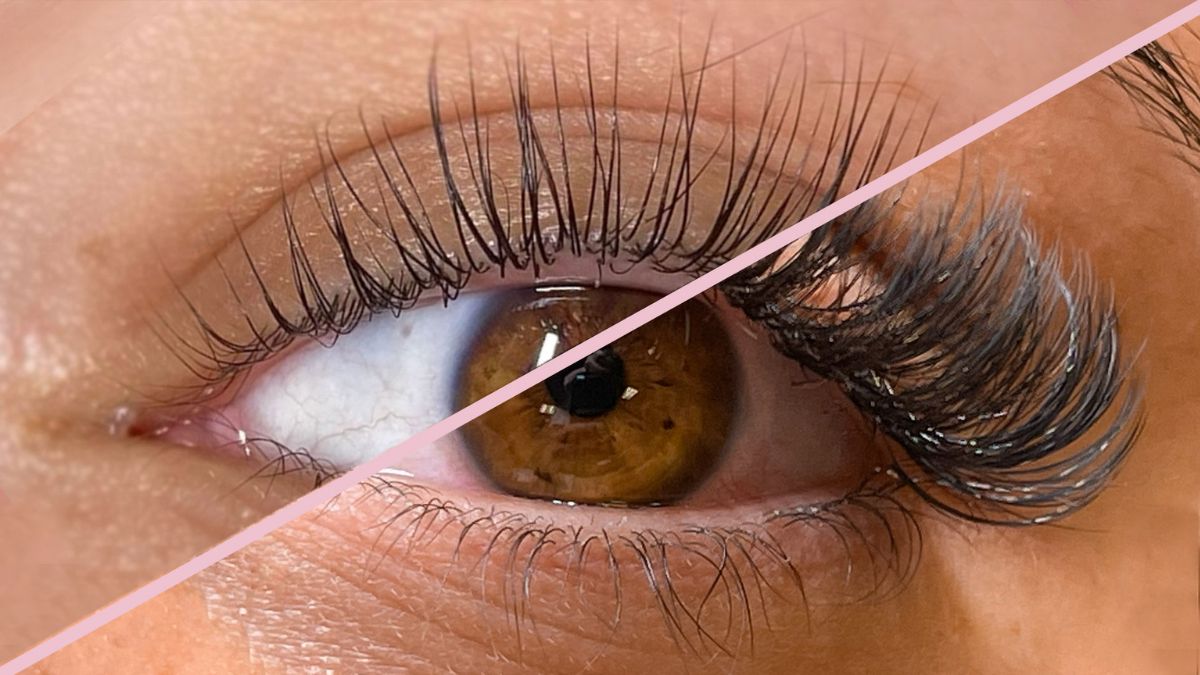
Introduction to Cils Lifting and Eyelash Extensions
If you’re dreaming of fluttery lashes that turn heads, you’ve likely stumbled across two popular beauty treatments: cils lifting and eyelash extensions. Both options promise to enhance your gaze, but they do so in very different ways. Whether you’re after a natural lift or dramatic length, it’s essential to understand what each treatment entails. As we dive into the details, you’ll discover which option aligns perfectly with your beauty goals and lifestyle. Let’s explore the world of lash enhancement together!
The Process: How Cils Lifting and Eyelash Extensions Are Done
Cils lifting begins with a consultation. A trained technician assesses your natural lashes and discusses desired results. Once you’re ready, they apply a gentle adhesive to silicone pads on your eyelids.
Next, the technician coats the lashes with a lifting solution. This product softens their structure, allowing them to be shaped upwards. After some time, a setting solution is applied to lock in that beautiful curl.
On the other hand, eyelash extensions involve attaching synthetic fibers directly onto each natural lash. The process starts similarly; it begins with cleansing and preparing the eye area.
Then comes application—each extension is meticulously glued using specialized adhesive. Technicians often use tweezers for precision to ensure even spacing and volume across your lash line.
Both processes are relatively quick but require skill for optimal results, making aftercare essential no matter which option you choose.
Results: What to Expect from Cils Lifting vs. Eyelash Extensions
Cils lifting offers a natural enhancement. Your lashes will appear longer and more curled without the need for mascara. The effect typically lasts about six to eight weeks, giving you that effortlessly beautiful look.
On the other hand, eyelash extensions can deliver dramatic results. They come in various lengths and thicknesses, allowing for customization based on your style preference. You’ll walk away with luxurious volume and length that can last anywhere from two to four weeks before needing a fill.
Both options bring distinct benefits. Cils lifting maintains your natural lashes while adding curl, whereas extensions provide an amplified appearance with more versatility in looks. Depending on what you desire—subtle elegance or full-on glamour—you’ll find each method has its own charm and appeal.
Maintenance and Upkeep for Cils Lifting and Eyelash Extensions
Cils lifting requires minimal upkeep. Once the treatment is complete, you’ll enjoy beautifully lifted lashes for several weeks. To maintain their appearance, avoid water and steam for the first 24 hours after your appointment.
After that initial period, keep your lashes clean with a gentle cleanser. A lash serum can help nourish and prolong the results.
Eyelash extensions demand more attention. Regular fills are necessary every three to four weeks to replace any fallen extensions and maintain fullness. Avoid rubbing your eyes or using oil-based makeup removers, as these can weaken the bond of the adhesive.
Brushing your extensions daily helps prevent tangling, ensuring they stay neat and polished. With both options, taking care of your lashes enhances their beauty while extending their longevity!
Cost Comparison of Cils Lifting vs. Eyelash Extensions
When it comes to cost, cils lifting tends to be more budget-friendly than eyelash extensions. A typical cils lifting session can range from $75 to $150, depending on the salon and location. This treatment lasts about six to eight weeks.
Eyelash extensions, on the other hand, require a larger investment. Initial application costs usually start around $100 and can go up to $300 or more for high-quality lashes. Maintenance fills are necessary every two to four weeks and typically range between $50 and $100.
While the upfront cost of eyelash extensions is higher, some may find the convenience worth it. Cils lifting offers a great alternative for those wanting beautiful lashes without continuous investment in upkeep over time.
Understanding your budget helps you make an informed decision based on how long you want your results to last versus how much you’re willing to spend regularly.
Considerations for Choosing Between the Two
When deciding between cils lifting and eyelash extensions, consider your lifestyle. If you lead an active life or prefer low-maintenance beauty routines, cils lifting might be the ideal choice. This treatment enhances natural lashes without added weight.
Think about your eye shape and lash type too. Cils lifting works wonders for straight or downward-facing lashes, giving them a beautiful curl that lasts. On the other hand, if you’re after volume and drama, eyelash extensions can deliver striking results tailored to any look.
Allergies play a role as well. Some people may react to adhesive used in extensions while cils lifting uses products that are often gentler on sensitive eyes.
Evaluate your budget and how often you’re willing to return for upkeep. Each option has its own cost structure and frequency of maintenance required which can impact long-term choices significantly.
Conclusion
When it comes to enhancing your lashes, both cils lifting and eyelash extensions offer unique benefits. Cils lifting provides a natural look that enhances your own lashes without added weight. On the other hand, eyelash extensions can create dramatic volume and length for those seeking a more glamorous effect.
Choosing between these two options depends on your lifestyle, personal preferences, and desired outcomes. Consider how much maintenance you’re willing to commit to and how long you want the results to last.
Whether you opt for cils lifting or eyelash extensions should align with what makes you feel confident and beautiful. Take the time to weigh the pros and cons of each method before making your decision. Your perfect lash look is just around the corner!
-

 TOPIC2 years ago
Glamorous and Radiant: Styling Trendy Pink Dresses for Special Occasions with Pureology Professional Hair Care
-

 TOPIC2 years ago
Top Tips for Cleaning Your Outdoor Patio Rug
-

 TOPIC2 years ago
The Best Shoes to Wear with Yellow Prom Dresses
-

 TOPIC2 years ago
Top 10 Gift Cards in Romania: A Complete Guide
-

 TECHNOLOGY2 years ago
Unveiling Sifangds: The Future of Digital Innovation
-

 TECHNOLOGY2 years ago
The Future of IT Support: Strategies for Efficient Problem-Solving
-

 TOPIC2 years ago
Puppygirlxd: A Case Study in Modern Identity and Expression
-

 TECHNOLOGY2 years ago
Lync Conf Mods You Should Install Today for Better Meetings