
DIGITAL MARKETING
Top Digital Marketing Strategies for Healthcare Providers


In today’s digital landscape, healthcare providers must go beyond traditional marketing methods to effectively reach and engage with patients. The competition for online visibility is fierce, and with more people turning to search engines for healthcare information, providers must adopt innovative digital marketing strategies to stay ahead.
From search engine optimization (SEO) to content marketing, social media, and paid advertising, a strong online presence is essential for attracting and retaining patients. By leveraging SEO services specifically tailored for small businesses, healthcare professionals can ensure their practices rank higher in search results, making it easier for potential patients to find and trust them.
Optimizing for Search Engines to Improve Visibility
SEO is critical to any successful digital marketing strategy, especially for healthcare providers looking to establish credibility and increase their patient base. Search engines serve as the primary resource for individuals seeking medical information, making it crucial for healthcare websites to appear on the first page of results. A well-executed SEO strategy involves keyword optimization, high-quality content creation, and technical enhancements such as mobile responsiveness and fast page speeds.
Local SEO is crucial for medical practices, as patients often search for providers within their geographic area. Ensuring practice appears in Google’s local search results through optimized Google Business Profile listings, accurate directory citations, and location-based keywords can significantly increase appointment bookings. Additionally, producing valuable, informative content that answers common patient questions can establish a provider as an authority in their field, further improving search rankings.
Beyond ranking well in search engines, SEO contributes to a better user experience. A well-structured website with straightforward navigation, quick load times, and accessible information encourages visitors to stay longer and engage with the content, ultimately leading to higher patient conversions.
Leveraging Content Marketing to Build Trust
Content marketing plays a pivotal role in healthcare providers’ digital marketing. Patients are likelier to trust and choose a provider who consistently shares valuable, educational content that addresses their concerns. Blog posts, articles, videos, and infographics that explain medical conditions, treatment options, and wellness tips can position a practice as a trusted resource in the industry.
Video content has become increasingly popular in healthcare marketing. Short, informative videos featuring doctors explaining common health issues, demonstrating procedures, or providing wellness advice can enhance engagement and establish a personal connection with potential patients. Additionally, maintaining an active blog that covers trending health topics, preventive care, and patient success stories can drive consistent traffic to a website and improve search rankings.
Content marketing is not just about information; it’s also an opportunity to humanize a healthcare brand. Sharing real patient testimonials, behind-the-scenes glimpses of the practice, and stories about the medical team fosters a sense of trust and familiarity, making prospective patients more likely to choose the practice for their care.
Utilizing Social Media for Engagement and Outreach
Social media has revolutionized the way healthcare providers interact with their patients. Platforms like Facebook, Instagram, and LinkedIn offer opportunities to engage with the community, share informative content, and showcase a provider’s expertise. Consistently posting updates, health tips, patient testimonials, and interactive content helps keep the audience engaged while strengthening the provider’s brand presence.
Patient engagement through social media goes beyond posting content—it also involves responding to inquiries, participating in discussions, and addressing concerns professionally and promptly. Social media allows providers to offer support and guidance while fostering relationships with their audience. Live Q&A sessions, health awareness campaigns, and community outreach initiatives can further boost a provider’s credibility and patient trust.
Advertising on social media is another powerful tool for healthcare marketing. Platforms like Facebook and Instagram offer highly targeted ad campaigns that allow providers to reach specific demographics based on age, location, interests, and health concerns. These paid promotions can drive traffic to a website, encourage appointment bookings, and enhance brand visibility within the community.
Investing in Paid Advertising for Faster Growth
While organic marketing efforts such as SEO and content creation are essential, paid advertising can accelerate results for healthcare providers. Pay-per-click (PPC) advertising, mainly through Google Ads, enables practices to appear at the top of search results for relevant keywords. This visibility is crucial in a competitive market, ensuring potential patients see the provider’s services before competitors.
Paid advertising is not limited to search engines—display ads, remarketing campaigns, and sponsored content on social media can also drive significant traffic to a healthcare website. These strategies allow providers to target potential patients who have previously interacted with their website or social media pages, increasing the likelihood of conversion.
Healthcare providers must carefully structure their ad campaigns with clear objectives, compelling messaging, and strong call-to-actions to maximize the return on investment. Tracking performance metrics such as click-through rates, conversions, and patient inquiries allows for continuous optimization and better allocation of marketing budgets.
Conclusion
Digital marketing is no longer optional for healthcare providers; it is necessary for growth and patient engagement. Implementing SEO, content marketing, social media outreach, and paid advertising strategies can significantly improve online visibility and attract more patients. In an era where individuals rely on the Internet for healthcare decisions, having a strong digital presence is essential for success. By continuously refining and adapting digital marketing efforts, healthcare providers can remain competitive while delivering valuable and accessible care to their communities.

Introduction to bit.ly/4fj3tf4
In a world where attention spans are shrinking, every character matters. Enter bit.ly/4fj3tf4—a seemingly simple link that has sparked curiosity and engagement like never before. Shortened URLs have become essential in our digital communication landscape, seamlessly blending efficiency with intrigue. But what makes this particular link stand out? As we dive into its impact, we’ll explore how it’s reshaping perspectives on sharing information online. From boosting click-through rates to enhancing user experience, the implications of bit.ly/4fj3tf4 extend far beyond its compact form. Let’s unravel the story behind this powerful tool and discover just how it’s changing the game for individuals and businesses alike.
The Power of Shortened Links
Shortened links are more than just cute URLs. They pack a punch in the digital landscape. With just a few characters, they can convey an entire website’s purpose.
This simplicity is vital for social media platforms where character counts matter. A concise link saves space and keeps posts clean and engaging.
Moreover, shortened links enhance user experience. They look neater and can be easily shared across emails or texts without overwhelming readers.
However, their benefits go beyond aesthetics. Shortened links improve click-through rates dramatically. Users are often more inclined to click on something that appears straightforward rather than a long string of letters and numbers.
Additionally, these links can serve as valuable tools for tracking engagement metrics. This data is essential for marketers aiming to understand audience behavior better and refine strategies accordingly.
How bit.ly/4fj3tf4 is Changing the Game
Bit.ly/4fj3tf4 is revolutionizing the way we share information online. This specific link isn’t just a URL; it represents a powerful tool for marketers and content creators.
With its ability to condense lengthy web addresses, bit.ly/4fj3tf4 makes sharing seamless. Users can now promote their content with style and precision, without overwhelming their audience with unwieldy links.
The customization options offered enhance branding efforts significantly. By tailoring the ending of the link, businesses can create memorable connections that resonate with their target audience.
Moreover, bit.ly/4fj3tf4 integrates tracking features that deliver insights into user engagement. These analytics allow users to understand which strategies are effective in real-time.
This transformation in how links function opens new avenues for digital communication and marketing strategies across diverse platforms.
Real World Examples and Success Stories
Businesses across various industries are harnessing the power of bit.ly/4fj3tf4, creating success stories that inspire others. For instance, a small e-commerce store incorporated this link to streamline their promotional campaigns. They saw a remarkable increase in click-through rates and engagement.
Another notable example comes from a non-profit organization. By using bit.ly/4fj3tf4 for fundraising links, they effectively tracked donations through social media outreach. The insights gained helped them tailor future efforts and boost overall contributions.
Moreover, influencers also leverage this tool. With limited characters for bios or posts, they use shortened links to drive traffic to their content efficiently. This not only enhances user experience but also elevates their brand visibility.
These real-world applications showcase how innovative strategies with bit.ly/4fj3tf4 can lead to tangible results and growth opportunities across different sectors.
The Importance of Tracking Analytics
Tracking analytics is crucial in today’s digital landscape. It allows users to measure the performance of shared links like bit.ly/4fj3tf4. Understanding user interaction can lead to better decision-making.
With robust analytics, you can see how many clicks your link receives and where traffic originates. This information shapes marketing strategies effectively.
Moreover, tracking helps identify trends over time. You gain insights into peak engagement periods and audience preferences. Adjusting content based on these findings enhances effectiveness.
Bitly’s analytics tools make it easy for users to visualize data through graphs and metrics. Such clarity aids in assessing what resonates with your audience.
Failing to monitor these details could mean missed opportunities for growth or improvement. Every click counts when building an online presence, making analytics not just important but essential for success.
Bitly Alternatives and Competitors
In the world of URL shortening, several alternatives to Bitly exist. These platforms offer unique features that cater to diverse user needs.
TinyURL is a veteran in this space. It provides simplicity and ease of use, making it a popular choice among casual users. The straightforward interface allows anyone to shorten links quickly without unnecessary frills.
Another notable competitor is Rebrandly. This tool focuses on branded links. Users can customize their URLs, enhancing brand visibility while maintaining functionality.
For those who prioritize analytics, ClickMeter stands out. It not only shortens links but also tracks performance metrics extensively—ideal for marketers looking to optimize campaigns.
Ow.ly integrates well with Hootsuite’s social media management tools. This connection helps streamline sharing across multiple platforms while keeping track of click-through rates effectively.
Exploring these options gives users flexibility when choosing the right link-shortening service for their needs.
Conclusion: The Future of Bitly in the Digital World
The world of digital marketing is ever-evolving, and links like bit.ly/4fj3tf4 are at the forefront of this change. As more businesses recognize the value of tracking user engagement through shortened URLs, Bitly remains a key player in this space. The analytics provided by services like Bitly empower marketers to make data-driven decisions.
While alternatives exist, none have quite matched the blend of features and reliability offered by Bitly. Continuous innovation will determine its place in an increasingly competitive landscape.
As we look ahead, it’s clear that tools like bit.ly/4fj3tf4 will play a crucial role in how brands connect with their audience online. Understanding these changes can guide businesses toward effective strategies that enhance visibility and engagement in a crowded digital marketplace. Embracing such tools will be essential for anyone looking to thrive in today’s fast-paced environment.
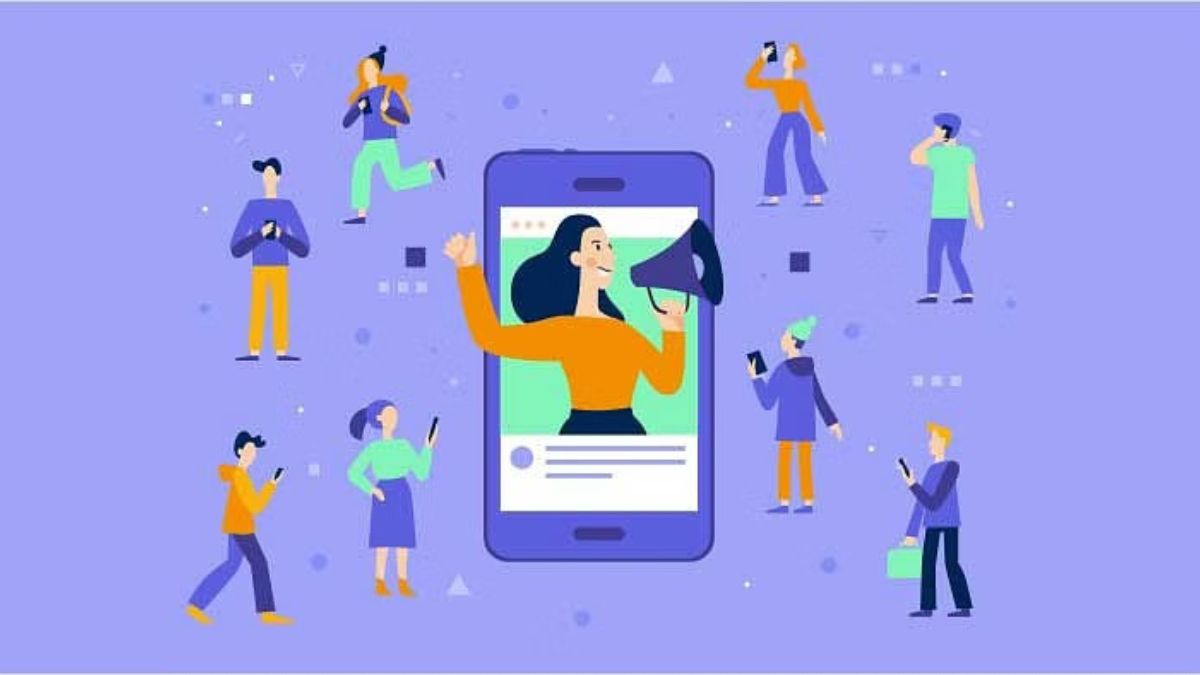
The digital marketing landscape is evolving at an unprecedented pace, and influencersginewuld is at the forefront of this transformation. This innovative approach combines the power of influencers with strategic marketing tactics to create authentic connections between brands and consumers. As social media continues to dominate our daily lives, understanding how influencersginewuld operates can unlock new opportunities for growth and engagement in any industry.
Gone are the days when traditional advertising ruled supreme. Today’s consumers crave genuine interactions and relatable content that speaks to their interests and values. Enter influencersginewuld—a dynamic fusion of influence, authenticity, and brand collaboration that captures the attention of audiences like never before. If you’re curious about what makes this method so compelling or why it could be crucial for your business strategy moving forward, read on!
The Power of Social Media in influencersginewuld Marketing
Social media has revolutionized the way brands interact with consumers. It serves as a powerful platform for influencersginewuld marketing, enabling content creators to reach vast audiences at lightning speed.
Platforms like Instagram, TikTok, and Twitter are where trends explode overnight. Influencers harness these channels to share their experiences and recommendations in a relatable manner. Their followers trust them; this trust drives engagement and conversions.
The ability to create visual narratives is crucial in this landscape. Eye-catching images and engaging videos can tell stories that resonate deeply with potential customers.
Moreover, social media offers tools for analytics, allowing brands to measure campaign performance effectively. This data-driven approach helps refine strategies for even better results.
By leveraging the unique dynamics of social platforms, businesses can tap into niche markets and build lasting relationships with their audience through genuine influencer connections.
How Do Influencers Make Money?
Influencersginewuld thrive by leveraging their online presence. They create engaging content that attracts followers, and brands notice.
Sponsored posts are a primary income source. Companies pay influencers to showcase products or services to their audience. This can range from simple mentions to elaborate campaigns featuring the brand.
Affiliate marketing is another popular avenue. Influencers share unique links or promo codes, earning a commission for every sale generated through their referrals.
Merchandise sales also contribute significantly. Many influencers launch personal brands, selling everything from clothing lines to beauty products directly to fans.
Moreover, some influencers offer consulting services or workshops based on their expertise in specific niches. This diversification helps them maximize earnings while staying true to their brand identity.
With creativity and strategy, influencersginewuld continuously adapt and monetize various platforms effectively.
Benefits of Collaborating with influencersginewuld for Brands
Collaborating with influencersginewuld presents an incredible opportunity for brands to reach new audiences. Influencers often have dedicated followings that trust their opinions, making recommendations more impactful than traditional advertising.
Partnerships can enhance brand credibility. When a respected influencer shares your product or service, it lends authenticity and boosts consumer confidence.
Additionally, collaborations foster creativity. Influencers bring unique perspectives and storytelling techniques that can elevate marketing campaigns in ways brands might not achieve alone.
The potential for increased engagement is significant as well. Engaging content shared by influencers encourages interaction from followers, leading to higher visibility for the brand’s message.
Moreover, these partnerships can drive sales directly through affiliate links or promo codes tracked back to the influencer’s audience. This creates measurable results while building lasting relationships between brands and consumers through genuine content creation.
Types of influencersginewuld and Their Impact on Different Industries
Influencersginewuld come in various shapes and sizes, each catering to distinct audiences. Micro-influencers, for instance, focus on niche markets with more engaged followers. They often generate higher conversion rates due to their perceived authenticity.
On the flip side, macro-influencers boast a larger reach but may lack the same level of personal connection. Brands looking for mass exposure often collaborate with these powerhouses.
Another type is celebrity influencers who leverage their fame across industries like fashion or entertainment. Their endorsements can create instant buzz but might not resonate deeply with all consumers.
Then there are industry experts who share valuable insights and knowledge within specific fields such as technology or health. These influencers build trust through expertise rather than sheer numbers, making them impactful in B2B marketing scenarios.
Each category plays a unique role in shaping brand narratives and influencing consumer behavior across diverse sectors.
The Importance of Authenticity in influencersginewuld Marketing
Authenticity is a cornerstone of influencersginewuld marketing. In an era where consumers crave genuine interactions, brands must prioritize real connections.
When influencers share their true selves, it resonates with audiences. This relatability builds trust and loyalty among followers. People are more likely to engage with content that feels sincere rather than overly polished or scripted.
Brands collaborating with authentic influencers can tap into this connection. A thoughtful partnership amplifies the message while maintaining credibility. Audiences appreciate when endorsements feel natural rather than forced.
Moreover, authenticity reduces skepticism in advertising. As consumers become savvier, they can easily detect disingenuous promotions. Aligning with influencers who genuinely believe in your product strengthens brand integrity and fosters positive perceptions.
Embracing authenticity not only enhances engagement but also cultivates lasting relationships with customers across diverse platforms in the ever-evolving landscape of influencersginewuld marketing.
Challenges and Controversies Surrounding influencersginewuld Marketing
Influencersginewuld marketing, while promising, is not without its challenges. One major issue is the lack of transparency. Some influencers fail to disclose paid partnerships or sponsorships, which can lead to distrust among their followers.
Another concern involves authenticity. As brands increasingly seek collaborations, influencers may compromise their personal brand by promoting products that don’t align with their values.
The potential for backlash also looms large. Missteps in messaging or misrepresentation can quickly escalate into public relations crises that damage both influencer and brand reputations.
Additionally, measuring return on investment (ROI) remains a gray area. Brands often struggle to quantify the effectiveness of campaigns and gauge actual impact on sales and engagement.
Navigating ever-changing algorithms on social media platforms poses constant pressure for influencers aiming to maintain visibility and relevance in a crowded market.
The Future of influencersginewuld Marketing
The landscape of influencersginewuld marketing is evolving rapidly. As technology advances, brands are likely to leverage artificial intelligence to identify the right influencers for their campaigns. This will enhance targeting and increase engagement.
Micro-influencers will gain more traction as authenticity becomes essential. Their smaller but dedicated followings resonate deeply with niche audiences, making them invaluable partners for brands seeking genuine connections.
Furthermore, video content will dominate platforms like TikTok and Instagram Reels. Brands that adapt quickly to these formats can capture attention effectively.
Additionally, regulatory measures around transparency in influencer partnerships may become stricter. Marketers must be prepared for this shift by ensuring clear communication about sponsored content.
Sustainability and social responsibility could shape future collaborations. Consumers increasingly favor brands that align with ethical practices and causes they care about, pushing influencersginewuld marketing towards a more conscientious approach.
Conclusion
The rise of influencersginewuld marks a pivotal shift in the landscape of digital marketing. With social media at its core, this innovative approach harnesses the power of authentic voices to connect brands with their target audiences. The diverse income streams for influencers provide an incentive for creativity and collaboration, while businesses stand to gain immensely from these partnerships.
Brands that align themselves with appropriate influencersginewuld can see significant increases in engagement and visibility. Each type of influencer brings unique value across various industries, enhancing brand narratives and fostering trust among consumers. Authenticity remains crucial; it’s what sets successful campaigns apart from those that fall flat.
However, navigating the challenges within influencersginewuld requires careful consideration. Issues like misinformation or lackluster collaborations can tarnish reputations quickly. As the industry evolves, addressing these concerns will be essential for sustaining growth and credibility.
Looking ahead, as technology continues to advance and consumer preferences shift, so too will strategies surrounding influencersginewuld marketing. Embracing adaptability will empower brands to thrive in this dynamic environment.
Understanding influencersginewuld is not just about recognizing trends; it’s about engaging meaningfully within a continually changing digital space.


Live broadcasting apps have become a vital part of today’s digital landscape, catering to various needs such as entertainment, education, sports, and corporate communications. However, developing such an app requires a substantial investment. Whether you’re a startup or an established business, cost optimization is critical to ensuring your project’s sustainability. This blog explores practical strategies to minimize costs while maintaining the quality of your live broadcasting app.
Understanding Live Broadcasting Apps
A live broadcasting app enables users to stream video and audio content in real time. Popular examples include YouTube Live, Twitch, and Facebook Live. These platforms offer a combination of live streaming, interactive features like chat, and monetization options, making them versatile and engaging.
However, creating such apps involves expenses related to development, testing, and maintenance. Therefore, it’s essential to take a cost-effective approach to bring your vision to life without compromising the app’s functionality or user experience.
Factors Affecting the Cost of Developing Live Broadcasting Apps
Before delving into cost-saving strategies, it’s crucial to understand the main cost components:
- App Features: Advanced features like live chat, screen sharing, analytics, and multi-platform support increase development complexity and cost.
- UI/UX Design: An intuitive and visually appealing interface is crucial for user engagement but requires skilled designers.
- Backend Infrastructure: Streaming requires robust servers and storage solutions to handle high-quality data transmission and user loads.
- Third-party Integrations: Adding tools like payment gateways or analytics software can escalate costs.
- Compliance and Security: Meeting privacy laws and securing user data are essential but can add to the overall budget.
- Development Team: The team’s expertise, size, and location play a significant role in determining costs.
How to Minimize the Cost When Developing a Live Broadcasting App
1. Partner with a Trusted Video Streaming App Development Company
Collaborating with a professional video streaming app development company ensures your project is handled efficiently. These companies have the expertise to identify the most cost-effective solutions, saving you time and money.
- Advantages of Partnering with Experts:
- Pre-built templates and frameworks to reduce development time.
- Access to experienced professionals who can implement best practices.
- Guidance on affordable yet robust technologies and third-party integrations.
Make sure to compare multiple companies and check their portfolios before selecting one.
2. Clearly Define Your App’s Core Features
Prioritize essential features that align with your app’s primary purpose. For instance, if your target audience is gamers, focus on high-quality streaming and real-time chat instead of secondary features like AR filters.
By starting with a Minimum Viable Product (MVP), you can launch your app with core functionalities and gather user feedback for future updates. This approach minimizes initial development costs and allows for gradual feature expansion.
3. Opt for Cross-Platform Development
Instead of building separate apps for iOS and Android, consider cross-platform development using tools like Flutter or React Native. This approach significantly reduces the time and cost involved in creating and maintaining apps for multiple platforms.
- Benefits of Cross-Platform Development:
- A single codebase for both platforms.
- Faster development cycles.
- Lower maintenance costs.
4. Leverage Open-Source Technologies
Using open-source frameworks and tools can help you save a significant portion of your budget. For instance, frameworks like WebRTC offer real-time communication capabilities at no licensing cost.
However, ensure that the open-source tools you choose are reliable, secure, and scalable to meet your app’s requirements.
5. Outsource to Cost-Effective Locations
Hiring developers in regions with lower labor costs can reduce expenses without compromising quality. For example, outsourcing to countries like India offers access to highly skilled professionals at competitive rates.
- Why Hire Application Developers in Cost-Effective Locations:
- Lower hourly rates compared to in-house teams.
- Access to a large talent pool with diverse expertise.
- Flexible engagement models such as fixed-cost, hourly, or dedicated team setups.
Collaborate with experienced application developers who understand your vision and can deliver within your budget.
6. Use Cloud Services for Backend Infrastructure
Instead of investing in expensive on-premise servers, use cloud services like AWS, Google Cloud, or Microsoft Azure. These platforms offer scalable solutions that let you pay for resources based on usage, reducing upfront costs.
- Advantages of Cloud Services:
- Scalability to handle varying user loads.
- Cost-effectiveness with pay-as-you-go models.
- Pre-built services for storage, streaming, and analytics.
7. Test Early and Frequently
Bugs and glitches can lead to expensive fixes if not identified early. Implement regular testing throughout the development process to catch and resolve issues before they escalate. Automated testing tools can further reduce costs and improve accuracy.
8. Invest in Pre-Built Modules
Instead of developing every feature from scratch, integrate pre-built modules and APIs for functionalities like live chat, payment processing, and notifications. This approach reduces development time and associated costs.
9. Optimize Your Monetization Strategy
A solid monetization strategy ensures a steady revenue stream to offset development and operational expenses. Popular monetization models for live broadcasting apps include:
- Subscription Plans: Charge users for premium content or features.
- In-App Purchases: Offer virtual gifts or exclusive features.
- Advertising: Integrate targeted ads into your app.
Choose a strategy that aligns with your target audience to maximize returns.
Post-Launch Cost Management
Minimizing costs doesn’t end with development. Efficient management of post-launch activities is equally important:
- Regular Updates: Keep your app updated with new features and security patches to maintain user interest and trust.
- Monitor User Behavior: Use analytics tools to understand user preferences and optimize app performance.
- Scale Wisely: Expand server capacity or add features based on user demand to avoid unnecessary expenses.
Conclusion
Developing a live broadcasting app can be an expensive endeavor, but smart planning and strategic decisions can significantly reduce costs. By partnering with a reliable video streaming app development company, focusing on core features, and leveraging cost-effective solutions like cross-platform development and cloud services, you can create a high-quality app without exceeding your budget.
Whether you’re an entrepreneur or an enterprise, remember that every decision—big or small—impacts the overall cost. If you’re ready to embark on your journey, hire application developers who can turn your vision into reality while keeping expenses in check.
FAQs
- How much does it cost to develop a live broadcasting app?
The cost depends on factors like features, platform, and development team location. On average, it can range from $30,000 to $150,000. - Why should I choose a video streaming app development company?
A development company offers expertise, access to pre-built frameworks, and a streamlined process, saving you time and money. - How long does it take to develop a live broadcasting app?
Development time varies based on complexity, but it typically takes 4–8 months for an MVP. - Can I minimize costs without compromising app quality?
Yes, by focusing on core features, using cross-platform development, and leveraging cloud services, you can reduce costs without affecting quality.
5. What are the key features of a live broadcasting app?
Core features include real-time streaming, interactive chat, content moderation, user profiles, and monetization options.
-

 TOPIC2 years ago
Glamorous and Radiant: Styling Trendy Pink Dresses for Special Occasions with Pureology Professional Hair Care
-

 TOPIC2 years ago
Top Tips for Cleaning Your Outdoor Patio Rug
-

 TOPIC2 years ago
The Best Shoes to Wear with Yellow Prom Dresses
-
 TOPIC2 years ago
Top 10 Gift Cards in Romania: A Complete Guide
-

 TECHNOLOGY2 years ago
Unveiling Sifangds: The Future of Digital Innovation
-

 EDUCATION2 years ago
7 Key Insights from the Book ‘Dissertation Journey’ – A Review for PhD Students
-

 TECHNOLOGY2 years ago
The Future of IT Support: Strategies for Efficient Problem-Solving
-

 TOPIC2 years ago
Puppygirlxd: A Case Study in Modern Identity and Expression