
AI
How to Localize Your Brand’s Videos Using a Video Translator


In today’s globalized world, expanding your brand’s reach beyond borders is more accessible than ever. However, connecting with audiences from diverse cultural backgrounds requires more than just translation; it demands effective localization. For brands utilizing video content, adapting visuals, context, and language is essential to resonate with audiences worldwide. Using a video translator tool can help bridge this gap, enabling brands to tailor their messages and engage viewers meaningfully across different regions. This guide will explore the importance of video localization, tips for successful adaptation, and how a video translator can make your brand’s message globally relevant.
Understanding Video Localization
Video localization goes beyond simple translation. It involves modifying your content to account for cultural nuances, language, and context unique to each audience. For example, colors, symbols, humor, and idioms can have vastly different meanings in various cultures. When localizing videos, brands need to be mindful of these subtleties to avoid misinterpretations that could harm their brand image. A good video translator enables the seamless adaptation of language, but an effective localization strategy integrates cultural insights as well. This combination helps your brand build trust and emotional connections with audiences worldwide.
Why Localization Matters for Your Brand
Localization is crucial in today’s competitive market. Studies show that customers are more likely to engage with content that feels personal and relevant to their culture. Localizing videos helps brands demonstrate a commitment to their audience’s identity and values, creating a sense of inclusivity. As video content becomes increasingly popular on platforms like YouTube, TikTok, and Instagram, having localized videos means your brand can reach new markets effectively, offering content that feels tailor-made for each region. Additionally, with a well-localized video strategy, brands can achieve higher viewer engagement, improved brand loyalty, and stronger connections with a diverse audience.
How a Video Translator Enhances Localization
A free video translator simplifies the localization process by providing easy-to-use tools for translating audio, subtitles, and even on-screen text. This technology can automatically detect and replace spoken words, helping to create accurate and relevant subtitles or voiceovers in the target language. Many advanced video translators offer features such as voice modulation, multi-language support, and customizable accents, making it easier to adapt the audio elements of your video. With the help of a video translator, your brand can quickly create multilingual versions of videos that look and sound authentic to each audience, enhancing the viewer experience and ensuring your message is clearly conveyed.
Steps to Localize Your Brand’s Videos with a Video Translator
1. Identify Your Target Markets and Languages
The first step in localizing your brand’s videos is to identify the target markets you want to reach. Understanding your audience demographics and language preferences can help you prioritize the languages and cultures to focus on. For instance, if your brand is expanding to Latin America, Spanish and Portuguese might be the primary languages to translate. Knowing your target audience’s preferences will also guide your video content style, tone, and messaging, ensuring the localization is effective and culturally appropriate.
2. Adapt the Script for Cultural Sensitivity
When using a video translator, it’s important to adapt the original script to avoid phrases or idioms that might be confusing or offensive to your target audience. Work with native language experts who understand local cultural norms to adjust phrases or replace references that may not resonate globally. Small changes can make a big difference in how your video is received. A video translator can be a valuable tool here by providing a clear, word-for-word translation, which a local expert can then refine to ensure cultural sensitivity.
3. Translate and Localize Subtitles
Subtitles are one of the most effective ways to reach multilingual audiences, especially on social media platforms. Video translators often provide automated subtitle translation tools, making it easier to create subtitles for various languages. When localizing subtitles, consider not only the words but also the visual timing—making sure the subtitles appear naturally in sync with the speaker. This can help create a seamless viewing experience. Additionally, ensure that the font style and size are readable and that the text does not overlap with important visuals on the screen.
4. Customize Voiceovers with Accents and Tones
In some cases, using subtitles alone may not fully convey your message, especially if your video content relies heavily on dialogue. This is where adding a localized voiceover can add authenticity. A video translator tool with voiceover capabilities allows you to choose from a range of voices, accents, and tones. Customizing voiceovers in this way can help make your video feel more native to each audience. For example, using a local accent can increase relatability and create a stronger emotional connection with viewers.
5. Modify Visual Elements to Match Cultural Preferences
Besides language, visual elements play a vital role in localization. Colors, symbols, and imagery can vary in meaning across cultures. For instance, certain colors associated with luck or positivity in one culture may represent something negative in another. When localizing videos, work with your team to identify visuals that might need adjustment for different markets. A video translator tool that supports overlays or text editing can help modify on-screen text and visuals, creating a more culturally aligned presentation for each audience.
Choosing the Right Video Translator for Your Brand
Selecting a reliable video translator is essential for successful localization. Look for a tool that offers high-quality language options, easy-to-use subtitle features, and voiceover customization. Some advanced video translator tools also come with AI-powered capabilities that can analyze context to deliver more accurate translations, preserving the intended tone and message. Additionally, a good video translator should support file formats compatible with your preferred video editing software, ensuring a smooth workflow from translation to final editing. Investing in the right video translator can save time, reduce localization costs, and improve the overall quality of your localized content.
The Role of AI in Video Translation and Localization
Artificial Intelligence (AI) has transformed the video translation industry by making localization faster, more accurate, and cost-effective. AI-driven video translators can detect language nuances, adjust tone, and even provide contextual translations that are far superior to basic translation tools. Many AI video translators offer features like automatic subtitle generation, voice cloning, and accent adaptation, making it easier to create videos that feel localized rather than translated. By leveraging AI in video localization, brands can produce high-quality videos that resonate with local audiences without the need for extensive manual editing.
Benefits of Localizing Your Brand’s Videos
Localizing your brand’s videos with a video translator can open doors to new markets, boosting engagement and customer loyalty. Research shows that brands that localize their content experience higher audience retention, as viewers feel a personal connection to content that speaks to their cultural background. Localized videos are also more likely to be shared on social media, enhancing brand visibility across platforms. Furthermore, localizing videos for SEO with region-specific keywords can improve your brand’s search rankings, making it easier for local customers to discover your content.
Common Challenges in Video Localization and How to Overcome Them
While video localization offers numerous benefits, it can present challenges, such as managing language nuances, coordinating with local experts, and maintaining quality control. To address these, invest in a high-quality video translator with customization options and collaborate with language professionals who understand the local culture. Another challenge is the added time and budget required for localization. Planning your localization strategy early in the content creation process and using efficient video translator tools, like ai video generator apps, can streamline the workflow, helping to overcome these obstacles.
Conclusion: Make Your Brand Global with Localized Videos
As brands aim to connect with diverse global audiences, video localization has become an essential strategy for success. By using a video translator, your brand can create content that feels personal and culturally relevant, strengthening connections with audiences across languages and regions. From adapting scripts and visuals to customizing voiceovers, a video translator provides the tools necessary to achieve effective localization. Embrace this approach to make your brand’s message resonate globally, showing your audience that you understand and value their culture. With the right localization strategy, your brand can extend its reach and build meaningful relationships worldwide.

Choosing furniture in Toronto, ON requires more than finding a style you like. Condo-sized rooms, narrow entryways, older-home layouts, busy family schedules, and long winters spent indoors can all change what makes a piece truly useful. Before committing to a sofa, dining set, or storage unit, consider how it will fit your home and support everyday life.
For homeowners comparing tailored options, custom home furnishings Toronto, ON from Rawhide International offer a practical point of reference. Based in Toronto’s Castlefield Design District, Rawhide International creates leather, fabric, and wood furnishings and provides design-focused custom options, giving local shoppers a way to consider dimensions, upholstery, finishes, and comfort together rather than settling for a standard size.
Start With The Room, Not The Furniture
Begin with the room’s job. A living room used for movie nights needs different seating than one used mainly for conversation. A downtown condo may need furniture that preserves an open sightline, while a larger Toronto family room may need enough seating for visitors without blocking walkways. Note windows, radiators, floor vents, outlets, door swings, and the location of your television or fireplace before selecting a focal piece.
Create a simple floor plan, then use painter’s tape to mark the proposed footprint on the floor. This makes it easier to see whether a sectional will crowd a passage or whether a dining table leaves enough room for chairs to slide back comfortably.
Match Furniture To Daily Life
A beautiful piece can still be the wrong choice if it conflicts with your routine. Think honestly about pets, children, frequent guests, remote work, storage needs, and how often the room is used. A pale, delicate fabric may suit a low-traffic sitting room, while a heavily used family space may benefit from an easier-to-clean upholstery or a finish that is more forgiving of daily use.
A Quick Household Checklist
- Who uses this room most often?
- How many people need to sit, eat, work, or sleep here?
- Will the piece receive occasional, regular, or heavy use?
- Do you need concealed storage, flexible seating, or a sleeper option?
- Can the material handle your cleaning habits and level of sunlight?
Check Measurements Before Buying
Measure the final room, but do not stop there. The furniture must also travel through the building or house. Record doorway widths, hallway turns, stairwell clearances, elevator dimensions where relevant, and the height of any low ceiling or overhead fixture. Measure the item itself, including its depth, height, legs, removable cushions, and packaging if that information is available.
- Measure room length, width, and usable wall space.
- Mark fixed features such as windows, vents, outlets, and radiators.
- Measure every narrow point along the delivery path.
- Mark the furniture footprint with tape.
- Leave room for walking, opening drawers, reclining, and vacuuming.
Compare Materials And Construction
Materials affect maintenance, comfort, and how furniture changes with use. Leather can develop a lived-in character, while fabric offers a broad range of textures and colors. Performance fabrics may be useful where spills are likely. Solid wood, engineered wood, metal, and glass each have different visual qualities and care needs, so ask what material is used in the frame, surface, and supporting hardware.
Price alone does not confirm quality. Ask how the frame is built, how cushions are supported, whether upholstery covers can be cleaned or replaced, and what care the finish requires. Check drawers, hinges, seams, and legs in person when possible. A piece should feel stable, function smoothly, and suit the level of use you expect.
Test Comfort And Support
Comfort is personal, which is why photographs cannot answer every question. Sit in the chair or sofa for more than a moment. Check seat depth, seat height, cushion firmness, arm height, and back support. Taller adults may prefer deeper seating, while people who find low furniture difficult to rise from may need a higher, firmer seat. At a dining table, test whether the chair height gives you comfortable clearance beneath the tabletop.
Consider Custom Furniture For Difficult Layouts
Custom furniture can be worthwhile when standard dimensions create a genuine problem. It may help in compact condos, homes with unusual wall lengths, mixed-use rooms, awkward corners, or spaces where a particular depth is needed to preserve circulation. Customization may involve overall size, sectional configuration, cushion style, wood stain, leg design, storage features, or upholstery selection.
The best reason to customize is function, not novelty. If a made-to-order piece improves how a room works every day, it may be a stronger long-term choice than buying a standard item that leaves unused space or makes the room difficult to move through.
Use Design Trends Carefully
Current trends can provide inspiration without dictating an entire room. A 2026 Houzz report on emerging home trends highlights interest in curved forms, tactile finishes, warmer colors, and spaces designed for comfort and personal connection. These ideas can work particularly well through smaller, easier-to-change elements such as an accent chair, lamp, side table, cushion, or rug.
For costly anchor pieces, prioritize proportion and usability over a short-lived look. A well-scaled sofa in a durable material can adapt to several style updates through artwork, textiles, and lighting.
Plan For Cost, Care, And Longevity
Set a budget that accounts for more than the sticker price. Include delivery, assembly, fabric protection if appropriate, cleaning supplies, replacement parts, and possible future repairs. In high-use rooms, paying for a material and construction level that suits the workload can be more sensible than replacing an unsuitable piece sooner than expected.
Industry attention in 2026 has also centered on customization, comfort, and well-being, according to the American Home Furnishings Alliance’s furniture trends overview. Use that broader direction as a reminder to buy for your own routines first. A straightforward plan is to reserve funds for the main piece, delivery, care supplies, and one finishing detail that makes the room feel complete.
Common Questions About Choosing Furniture
How Do You Know If Furniture Is The Right Size?
Compare the item dimensions with the room, walking paths, adjacent furniture, and delivery route. Marking the footprint on the floor is one of the simplest ways to avoid a scale mistake.
Is Custom Furniture Worth The Extra Cost?
It can be, especially when standard sizes do not fit the room, provide the needed storage, or meet your comfort and material preferences. The value comes from solving a lasting practical issue.
Which Upholstery Works Best For Busy Homes?
The right choice depends on pets, children, spills, sunlight, and your willingness to clean regularly. Compare material samples, ask about recommended care, and choose a texture and color that suit daily life.
Conclusion
The best furniture for a Toronto home is not simply the piece that looks right in a showroom. It fits the room, arrives through the delivery route, supports your routine, and remains comfortable after the novelty wears off. Measure carefully, ask informed questions, test important pieces in person, and choose materials that make sense for the way you live.
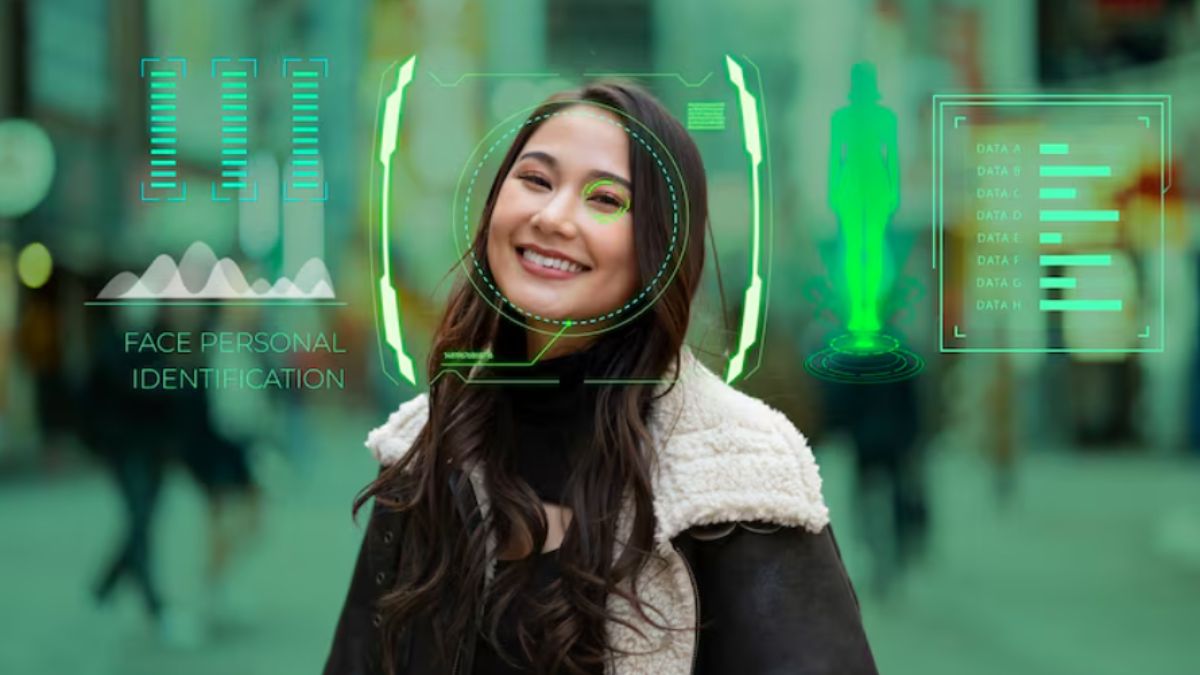
AI face swapping has evolved from a novelty feature into a serious content creation tool. In 2026, creators will use face swap technology for marketing campaigns, social media content, video production, educational content, and creative storytelling.
After testing dozens of platforms across image and video workflows, I found that the best tools aren’t necessarily the ones with the most features. The best platforms deliver realistic results, fast processing, flexible editing options, and reasonable free plans.
The best AI face swap tool for most creators in 2026 is Magic Hour thanks to its image and video capabilities, ease of use, and consistently realistic results.
If you’re searching for a free solution without watermarks, this guide compares the leading options available today.
Best AI Face Swap Tools at a Glance
| Tool | Best For | Images | Videos | Free Plan | No Watermark Option | Platform |
| Magic Hour | Overall best | Yes | Yes | Yes | Yes | Web |
| Reface | Mobile content creation | Yes | Yes | Limited | Paid | iOS, Android |
| Face Swap Live | Live face effects | Yes | Video | Limited | Paid | Mobile |
| DeepSwap | Social media creators | Yes | Yes | Limited | Yes | Web |
| Akool | Marketing teams | Yes | Yes | Yes | Yes | Web |
| Vidnoz | AI video production | Yes | Yes | Yes | Yes | Web |
| Remaker AI | Budget-conscious users | Yes | Limited | Yes | Yes | Web |
| MioCreate | Quick face swaps | Yes | Yes | Yes | Yes | Web |
| Swapface | Streamers | Limited | Live Video | Free | Yes | Desktop |
| FaceFusion | Open-source users | Yes | Yes | Free | Yes | Desktop |
1. Magic Hour
When evaluating face swap platforms, I focused on image quality, realism, speed, ease of use, and output flexibility. Magic Hour consistently ranked at the top across all categories.
As the best AI face swap tool, it combines professional-grade results with a beginner-friendly workflow. Unlike many competitors that specialize only in images, Magic Hour supports both image and video face swaps while maintaining impressive realism.
The platform also offers a broader creative suite beyond face swapping. Users can access an ai image editor, video generation tools, and advanced content creation features from a single dashboard.
Pros
- Excellent image realism
- High-quality video face swaps
- Fast processing times
- Beginner-friendly interface
- Free plan available
- Multiple AI creative tools included
- No advanced editing skills required
Cons
- Premium features require subscription
- Large video projects can take time to render
During testing, Magic Hour consistently produced some of the most convincing results. Skin tones, facial expressions, and lighting transitions looked natural even when source images differed significantly.
If you need a platform that can handle both personal projects and professional content creation, this is difficult to beat.
Pricing: Free plan available. Paid plans unlock higher usage limits and advanced features.
2. Reface
Reface remains one of the most recognizable names in AI face swapping.
Originally known for viral face swap videos, the platform has expanded significantly and now offers image editing, animations, and content creation tools.
Pros
- Strong mobile experience
- Large template library
- Quick processing
- Beginner-friendly
Cons
- Watermarks on some free outputs
- Limited customization options
- Subscription required for full access
Reface excels when speed matters. If you’re creating social media content on your phone, it’s one of the easiest tools available.
Pricing: Free version available with premium subscription options.
3. DeepSwap
DeepSwap focuses heavily on realistic face replacement across images and videos.
The platform has become popular among creators who need higher-quality outputs without learning complex editing software.
Pros
- Realistic outputs
- Supports videos and photos
- Simple workflow
- Fast rendering
Cons
- Limited free credits
- Fewer editing controls
I found DeepSwap particularly effective when working with portrait photography and short-form video content.
Pricing: Credit-based and subscription plans available.
4. Akool
Akool targets marketers, agencies, and businesses that need AI-powered content generation at scale. Its face swapping capabilities are combined with avatar generation and AI video production tools, allowing users to create engaging visual content and even make photo talk online with realistic AI-powered animations and voice synchronization.
Pros
- Enterprise-friendly
- Strong video capabilities
- Team collaboration features
- Marketing-focused workflows
Cons
- Learning curve for beginners
- Some features geared toward businesses
For commercial content production, Akool offers a compelling mix of automation and quality.
Pricing: Free trial available with paid business plans.
5. Vidnoz
Vidnoz has rapidly expanded beyond AI avatars into a broader content creation platform.
Its face swapping tools integrate naturally with AI video production workflows.
Pros
- AI video ecosystem
- Easy-to-use interface
- Free plan available
- Fast processing
Cons
- Face swap tools not as advanced as top specialists
- Limited advanced controls
Creators focused on video content will appreciate the seamless workflow.
Pricing: Free and premium plans available.
6. Remaker AI
Remaker AI has gained attention for providing surprisingly good results without charging premium pricing.
It focuses on accessibility and simplicity.
Pros
- Generous free usage
- Easy interface
- Fast outputs
- No steep learning curve
Cons
- Limited advanced editing
- Inconsistent results on challenging images
For casual users and occasional creators, Remaker AI offers strong value.
Pricing: Free tier available.
7. MioCreate
MioCreate emphasizes speed and convenience.
Users can upload images and generate face swaps within minutes.
Pros
- Fast workflow
- User-friendly
- Supports multiple formats
- Free plan
Cons
- Fewer professional features
- Output quality varies
This platform works well for quick social media experiments and creative projects.
Pricing: Free and paid plans available.
8. Face Swap Live
Face Swap Live remains unique because of its real-time capabilities.
Instead of only processing uploads, it allows live face replacement effects.
Pros
- Real-time effects
- Mobile-friendly
- Fun interactive features
Cons
- Less suitable for professional projects
- Quality lower than leading AI tools
This is best suited for entertainment rather than commercial production.
Pricing: App purchase and subscription options.
9. Swapface
Swapface has become a favorite among livestreamers and content creators.
Its desktop software supports live face swapping during broadcasts.
Pros
- Excellent for streaming
- Real-time performance
- Creator-focused
Cons
- Requires desktop setup
- Limited image editing capabilities
If you’re active on streaming platforms, Swapface offers unique advantages.
Pricing: Free version available.
10. FaceFusion
FaceFusion stands out because it’s open-source.
For technically inclined users, it offers impressive flexibility and customization.
Pros
- Completely free
- Open-source
- Advanced customization
- Active community
Cons
- Technical setup required
- Not beginner-friendly
Developers and power users will appreciate the level of control available.
Pricing: Free.
How We Chose These Tools
I evaluated each platform using the same testing framework.
Image Quality
The first priority was realism. I tested portrait photos, group images, different lighting conditions, and varying image resolutions.
Video Performance
Video face swaps are considerably more challenging than static images. Tools that maintained consistency across frames scored higher.
Ease of Use
A powerful tool isn’t helpful if users struggle to operate it. I measured onboarding speed and workflow simplicity.
Processing Speed
Fast turnaround times matter for creators and marketing teams working under deadlines.
Free Plan Value
Since many readers are searching for free options, I examined what each platform actually offers before requiring payment.
Content Creation Ecosystem
Platforms received additional consideration if they integrated face swapping with broader creative tools.
For example, Magic Hour combines face swapping with features such as an <a href=”https://magichour.ai/products/ai-image-editor”>ai image editor with prompt free</a> workflows, making it easier to build complete content pipelines rather than relying on multiple tools.
The Face Swap Market in 2026
The face swap industry has matured significantly.
A few years ago, most tools focused on novelty effects. Today, creators use AI face swapping for:
- Marketing campaigns
- Product demonstrations
- Educational videos
- Social media content
- Personalized advertising
- Entertainment production
Another major trend is integration with video workflows.
Instead of treating face swapping as a standalone feature, platforms increasingly connect it with AI avatars, video generation, and animation systems.
For example, many creators combine face swaps with best AI lip sync tool free solutions to create fully animated talking characters without traditional production costs.
This convergence is likely to continue throughout 2026 and beyond.
Which Face Swap Tool Is Best for You?
Here’s my recommendation based on specific use cases:
| Use Case | Recommended Tool |
| Best overall | Magic Hour |
| Best for mobile users | Reface |
| Best for marketers | Akool |
| Best for video creators | Vidnoz |
| Best free option | FaceFusion |
| Best for streamers | Swapface |
| Best for beginners | Magic Hour |
| Best for businesses | Akool |
Final Takeaway
AI face swapping has become one of the most practical creative technologies available today.
While every platform on this list has strengths, Magic Hour stands out because it combines excellent image quality, strong video performance, an intuitive workflow, and a broader AI content creation ecosystem.
For most creators, marketers, and businesses, it offers the best balance between quality and usability.
That said, the ideal tool depends on your specific goals. I always recommend testing multiple options with your own content before committing to a platform.
The good news is that many of the leading tools now offer free plans, making experimentation easy.
FAQ
What is the best AI face swap tool in 2026?
Magic Hour is currently one of the strongest options thanks to its realistic outputs, video support, and comprehensive AI content creation features.
Are there free AI face swap tools without watermarks?
Yes. Several tools, including Magic Hour, FaceFusion, Remaker AI, and MioCreate, offer ways to create face swaps without visible watermarks under certain plans or usage limits.
Is AI face swapping legal?
In most jurisdictions, AI face swapping is legal when used responsibly and with proper permissions. Users should always respect privacy, consent, copyright, and platform policies.
Can AI face swap videos as well as photos?
Yes. Many modern platforms support both image and video face swaps. Video processing generally requires more computing power and advanced AI models.
What should I look for in a face swap tool?
Focus on image realism, video quality, processing speed, ease of use, pricing, and whether the platform supports your preferred content formats.

Research communities thrive on steady progress. Every new insight leans on earlier discoveries so access to a wide range of texts keeps work moving forward. When an e-library opens its doors to rare monographs and fresh studies it becomes a quiet partner in many breakthroughs.
Constant study shapes stronger ideas and ongoing education feels more manageable thanks to Zlibrary which gives scholars room to explore without extra hurdles. Many researchers say that steady reading routines help them stay grounded even when projects grow complex. The right source at the right moment often sparks a chain reaction of new questions.
The Role of Easy Access in Daily Research
Reliable access to varied material lets researchers shift gears fast. A morning spent with a classic like “The Structure of Scientific Revolutions” might lead to an afternoon review of new data sets or field reports. This rhythm builds a sense of momentum. Work flows with fewer roadblocks and each fresh insight can settle into place like a piece in a puzzle.
Z-library access also helps early career researchers find their voice. With many texts close at hand they gain confidence in framing arguments and testing theories. They shape stronger narratives because they see how others build theirs. Mentors often notice this growth during seminars or informal discussions. Curiosity deepens once the door to rich knowledge stays open. A short transition invites some practical notes:
-
Extended search habits
Readers often hunt for sources that support creative leaps. A long search session can link old ideas with new methods. This habit expands the scope of many projects and offers space for trial and error. Careful review of contrasting viewpoints prepares a more resilient research plan.
-
Broad exposure to niche fields
Some fields evolve in small circles. Access to niche work keeps researchers in the loop even when studies appear outside mainstream networks. Many breakthroughs rise from these hidden pockets of thought. Continuous reading in these areas shapes sharper instincts and bold hypotheses.
-
Stable support for interdisciplinary work
Fields often cross paths and blend ideas. Historians work with climate data or engineers explore ethical debates. This mix strengthens modern scholarship. A steady source of wide ranging texts encourages cross pollination that lifts new theories above old boundaries.
These notes show how thoughtful reading habits become part of a long term research rhythm that builds steady progress day by day.
Growth Through Shared Knowledge
Community shapes strong research. When scholars trade insights sparked by wide reading their conversations sound more alive. A reference to “Silent Spring” during a roundtable might lead to an unexpected debate on policy. These exchanges show how shared access builds common ground. They also highlight how every field benefits from open doors to knowledge.
Wider access also supports collaboration across borders. A researcher in one region may follow the same sources as a partner far away. This alignment speeds joint projects. Goals stay clear and teams move in step. Even a short quote from a shared book can guide a task and help partners stay in tune.
A Steady Path Ahead
Research thrives on curiosity and patience. With broad access to reading material scholars keep ideas in motion and maintain a steady flame of discovery. The right text at the right moment feels like a friendly nudge and often that is enough to push a project into fresh territory.
-

 TOPIC2 years ago
Glamorous and Radiant: Styling Trendy Pink Dresses for Special Occasions with Pureology Professional Hair Care
-

 TOPIC2 years ago
Top Tips for Cleaning Your Outdoor Patio Rug
-

 TECHNOLOGY2 years ago
Unveiling Sifangds: The Future of Digital Innovation
-

 TOPIC2 years ago
The Best Shoes to Wear with Yellow Prom Dresses
-

 EDUCATION2 years ago
7 Key Insights from the Book ‘Dissertation Journey’ – A Review for PhD Students
-

 TOPIC2 years ago
Top 10 Gift Cards in Romania: A Complete Guide
-

 TOPIC2 years ago
Puppygirlxd: A Case Study in Modern Identity and Expression
-

 TECHNOLOGY2 years ago
The Future of IT Support: Strategies for Efficient Problem-Solving